Is It Legal to Live Off-Grid in Ontario? Buyer Guide
Is it legal to live off-grid in Ontario? It can be, but generating your own power does not establish that a property is approved for residential use. The land, dwelling, water supply, sewage arrangements and electrical installation must meet the requirements that apply to that location and project.
For Ottawa-area buyers, the first step is to check the exact address with the municipality and relevant approval authorities. A rural lot, a cabin with solar panels or an advertisement describing a property as “off-grid” is not proof that you can live there year-round.
What Does Off-Grid Living Mean?
The term usually describes a home that operates without a connection to the electricity grid. People also use it more broadly for properties with private water and sewage systems. These are separate questions: a home on a private well and septic system may still use grid electricity.
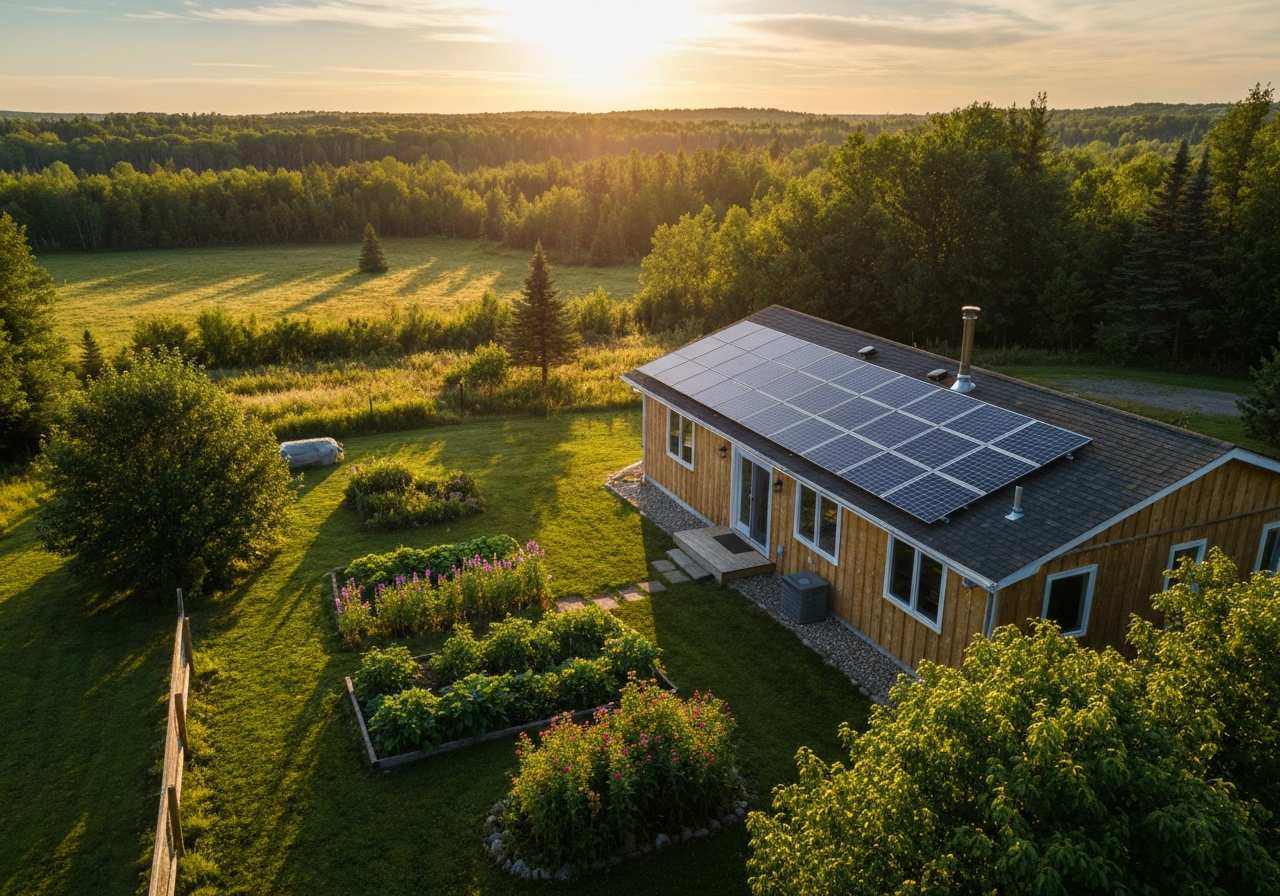
Ask which services are actually connected, which systems are installed and what approvals exist. Solar panels can be part of a grid-connected system, so photographs of panels alone do not confirm that a property is off-grid.
What Should You Check Before Buying an Off-Grid Property?
| Check | Question to resolve before committing |
|---|---|
| Land and access | What interest are you buying, and do you have legal access and the right to use the land as proposed? |
| Permitted use | Is the intended dwelling and year-round residential use permitted at this address? |
| Building | What permits, plans, inspections and occupancy requirements apply to the dwelling and any alterations? |
| Water and sewage | Is there a suitable water supply and a compliant way to manage all household wastewater? |
| Electricity | What electrical notifications, review and acceptance records apply to the installed or proposed system? |
| Practical ownership | Can you obtain suitable financing, insurance, winter access and system maintenance? |
Have a lawyer review title, access rights and any lease or shared-site agreement. Purchasing a “site” within a larger property is not necessarily the same as purchasing a separately transferable lot.
Do Rural Ottawa Zoning and Building Rules Still Apply?
Yes. Being in rural Ottawa does not remove the need to check planning, building and servicing requirements. Start with the City of Ottawa for an Ottawa address; contact the appropriate municipality for a property outside the city.
Describe the intended use clearly: a permanent residence, a seasonal cabin, a tiny home or an additional dwelling. Ask about the applicable zoning, building approvals, servicing, access and any site constraints. Do this before ordering a building or making an unconditional land purchase.
For Ottawa properties, the Ottawa Septic System Office co-ordinates septic-system review and approval. Confirm the current process for the proposed work. Other municipalities may use a different authority.
For an overview of locations, see our rural Ottawa communities guide. A community guide helps compare places; it does not confirm that an individual lot is buildable.
Can You Disconnect Municipal Water or Electricity?
Do not assume you have blanket permission to disconnect either service. Ask the municipality and relevant utility what connection requirements, agreements, technical steps and ongoing charges apply to your property.
Confirm that the proposed replacement systems are acceptable before arranging any disconnection. An available municipal service and a remote property without service can involve different requirements.
Are Unorganized Territories Exempt From the Rules?
No. The approval process differs from a municipality, but the absence of a municipal building department does not mean a property is unrestricted.
Ontario’s guidance on construction responsibilities explains the different authorities involved in unorganized territories. Check with the Ministry of Municipal Affairs and Housing whether a planning board, Minister’s zoning order or conformity process applies to the specific property.
Provincial rules provide a building-permit exemption for construction or demolition in territory without municipal organization, with a separate exception for sewage-system construction. Building Code compliance still matters. Identify the responsible sewage authority and any other required approvals instead of asking a nonexistent municipal office for every permit.
Confirm legal road access, winter maintenance, emergency response and waste disposal as well. A remote location is not automatically easier or less expensive to develop.
What Electrical Approvals Apply to Solar and Battery Systems?
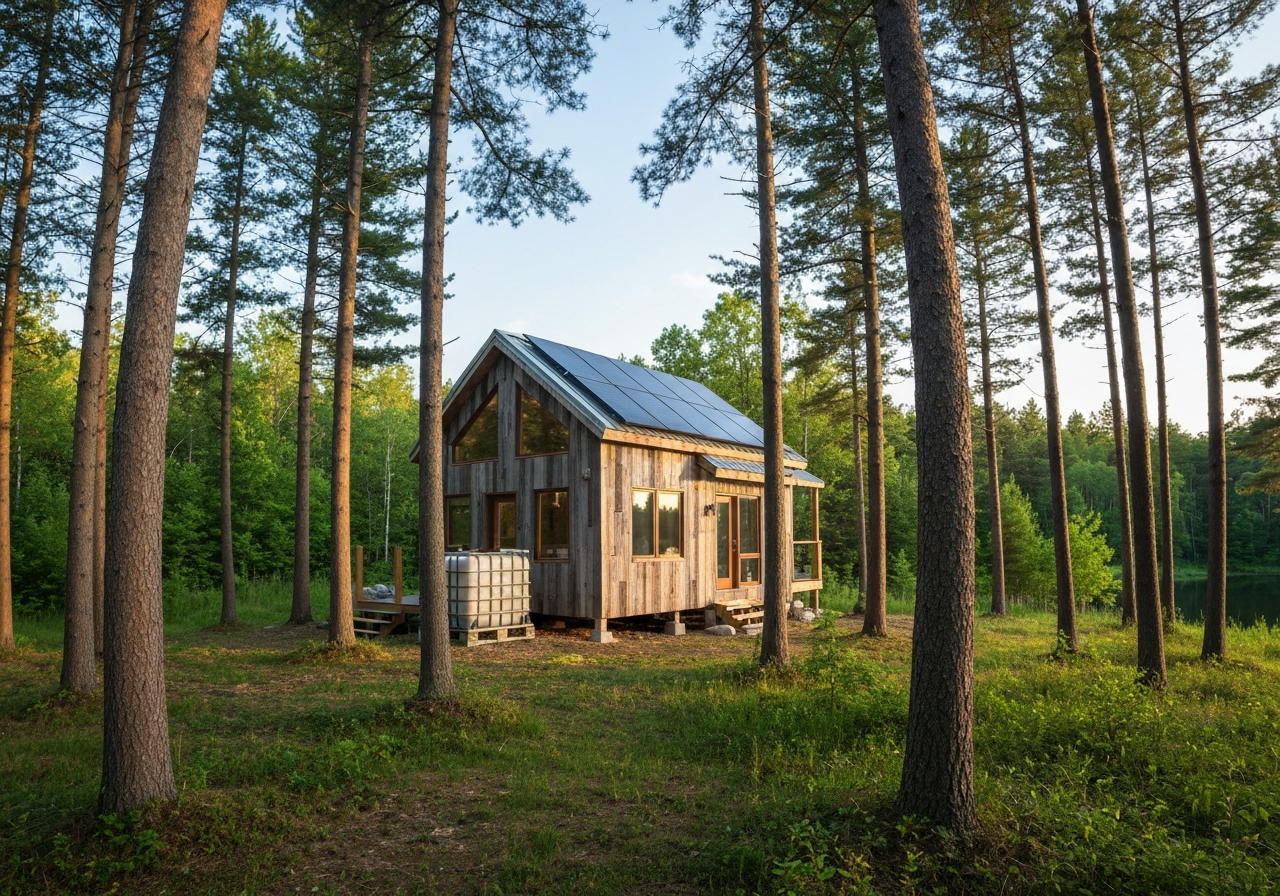
An installation does not become exempt from electrical requirements simply because it is disconnected from the grid. Review the proposed solar, battery, inverter and backup arrangements with the Electrical Safety Authority and a qualified system designer.
ESA’s notification and inspection guidance explains that almost all electrical work requires a notification, normally filed before work begins. A municipal building permit does not replace that process. If you hire someone to perform electrical work in your home, they must be a Licensed Electrical Contractor.
For an existing installation, request the relevant ESA acceptance records. Have the system’s capacity and condition assessed against your actual needs, including winter heating, pumps and periods with limited solar production.
Does a Composting Toilet Replace the Need for Sewage Planning?
Not by itself. A toilet system does not resolve how water from sinks, showers, laundry and other fixtures will be treated and disposed of.
The Ontario Building Code’s sewage-system provisions distinguish composting-toilet systems from greywater and other sewage systems. Ask the responsible authority which system design, site conditions, permits and inspections apply. Do not assume every system follows the same permit rules.
Plan the water supply separately. Ask for well or source records, water-quality testing and professional advice on treatment, supply reliability and winter protection. A storage tank or filter shown in a listing does not establish that the water is suitable for household drinking use.
Can You Live Year-Round in a Tiny Home or Trailer?
That depends on the dwelling, land and permitted use. A small floor area, wheels or a manufacturer’s description does not automatically authorise permanent residential occupancy.
Confirm how the structure is classified and whether its proposed location and use are permitted. A seasonal accommodation arrangement may not authorise year-round living. Our Ottawa tiny-home buyer guide explains the differences between buying a unit, buying land and considering a coach house.
What Documents Should You Request Before Making an Offer?

- Title, survey information where available, and documents establishing access or shared-site rights.
- Available planning correspondence, approved plans, permits and inspection or occupancy records.
- Electrical-system specifications, acceptance records and maintenance history.
- Water-source, testing and sewage-system records, with an assessment suited to the property.
- Written financing and insurance information based on the actual property and installed systems.
- Estimates for repairs, system replacement, winter access and ongoing maintenance.
Discuss appropriate financing, inspection and document-review conditions with your agent and lawyer. Missing paperwork should prompt investigation; a seller’s description is not a substitute for confirmation from the relevant authority.
Discuss Your Ottawa-Area Property Search
Sandi Branker is a REALTOR® with Zolo Realty serving Ottawa and surrounding communities. She can help you compare properties and identify questions for planning, building, electrical, sewage and legal professionals. Email Sandi.Branker@zolo.ca or call 613-408-7935.
View current Ottawa listings on Zolo.ca →
This button opens a general Ottawa property search on Zolo.ca. It is not a list of verified off-grid homes or approved building sites.
