First Time Home Buyers Ottawa: A 2026 Step-by-Step Guide
Buying your first home in the Ottawa area is a major milestone for first time home buyers ottawa. The path from saving to moving in can feel complicated. A clear step-by-step process makes it manageable.
For first time home buyers ottawa, understanding the local real estate market is crucial to making informed decisions.
Step 1: Set a Budget Based on Your Income
Understanding the Needs of First Time Home Buyers Ottawa
First time home buyers ottawa should consider their long-term needs when choosing a home.
Your budget is the foundation of the entire process. A widely used guideline for Ottawa buyers is that your monthly housing costs should be 32% or less of your gross monthly income.
Step 2: Plan Your Down Payment
The down payment is the first major cash commitment you will make. In Canada, the minimum down payment is 5% on the first $500,000 of the purchase price, and 10% on the portion above that. The table below shows how the minimum works for any property price.
The minimum down payment is a key consideration for first time home buyers ottawa.
| Portion of the purchase price | Minimum down payment |
|---|---|
| First $500,000 | 5% |
| Portion above $500,000 | 10% |
On a $500,000 home, the minimum down payment would be $25,000. If the price climbs to $600,000, you would pay 5% on the first $500,000 and 10% on the remaining $100,000.
Step 3: Review First Time Buyer Programs and Incentives
Ottawa first time buyers have access to programs designed to reduce the financial strain of a first purchase. The First Time Home Buyer Incentive offers a shared equity mortgage with the government of Canada, which helps lower your monthly mortgage payments.
First time home buyers ottawa can take advantage of various financial assistance programs available in the region.
Step 4: Assemble Your Homebuying Team
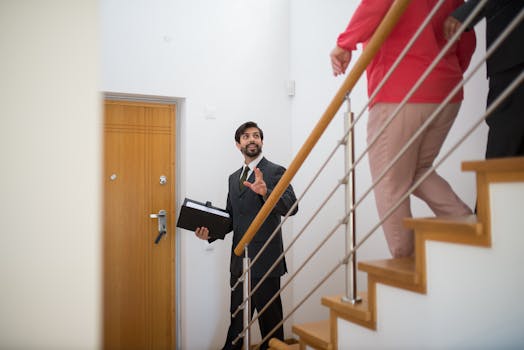
You do not need to manage this process alone. A real estate agent who knows Ottawa can guide you through listings, showings, and negotiations with strong local market expertise.
Choosing the right real estate agent is essential for first time home buyers ottawa to navigate the market effectively.
Step 5: Use a Step-by-Step Homebuying Guide and Worksheet
The Canada Mortgage and Housing Corporation publishes a homebuying guide that takes buyers through the entire process step by step. It combines several tools to help you work through the journey:
- A guide that explains each stage of the buying process
- A checklist that keeps you on track with important tasks
- A workbook that helps you plan, budget, and make confident decisions
For a first-time buyer, having a structured resource like this is valuable because it breaks the process into clear, manageable stages. Keep the workbook updated as you move through each step, and review the checklist before you submit an offer so nothing has been missed.
Step 6: Search the Ottawa Market: Resale and New Builds
The Ottawa market offers two main paths: resale homes and new builds. For a first home, many buyers are advised to look at the resale market first. Ottawa has plenty of resale housing developments, and buying an existing home can give you access to established neighbourhoods with more options. New builds are another route worth exploring. Builders like Minto publish first-time buyer guides that explain how to buy a new home, from selecting a lot to closing. If you choose a new build, ask about incentives such as the government HST rebate that many builders promote, and compare the total cost of a new build with the cost of an existing home in the same area.
For first time home buyers ottawa, exploring both resale and new builds can provide a range of options.
Step 7: Make an Offer and Negotiate
Once you find a home that fits your budget, the next step is preparing an offer. Your agent will help you set a competitive price and draft conditions that protect you, such as financing and inspection clauses.
First time home buyers ottawa should prepare to negotiate effectively when making an offer.
Step 8: Complete the Closing Process
After your offer is accepted, there is still work to do before you receive the keys. Your lawyer will review the agreement, confirm the title, and prepare the documents required for the transfer of ownership.
Step 9: Plan for Life After Closing
Homeownership does not end on closing day, and your budget should reflect that. Your monthly housing costs, which should stay within the 32% guideline, include more than just the mortgage payment.
To maintain financial stability, first time home buyers ottawa should plan for ongoing expenses after closing.
Keep Your 2026 Plan Ottawa-Specific
The Ottawa market changes from year to year, and first-time buyer guides published for 2026 include Ottawa-specific data and real numbers that offer a clearer picture than national averages.
First time home buyers ottawa must stay informed about local market trends to make the best purchase decisions.
Frequently Asked Questions
Here are answers to the questions that first-time buyers in Ottawa ask most often.
Addressing common concerns can help first time home buyers ottawa feel more confident in their decisions.
What is the minimum down payment for a first home in Canada?
In Canada, you can put down as little as 5% on the first $500,000 of the purchase price and 10% on the portion above that. A 20% down payment is another benchmark that appears in many buyer guides. The size of your down payment directly affects your monthly mortgage costs, so take time to calculate what works for your budget before you commit.
What is the First-Time Home Buyer Incentive?
The First Time Home Buyer Incentive is a shared equity mortgage with the government of Canada that helps reduce your monthly mortgage payments. Buyers can receive 5% or 10% of their home’s purchase price through the program. Because the government shares in the equity, you should review the program’s repayment rules before applying. Contact the program office at 613-725-1171 to confirm current eligibility and application details.
The First Time Home Buyer Incentive is especially beneficial for first time home buyers ottawa seeking affordable options.
How much can I withdraw from my RRSP as a first-time buyer?
First-time home buyers can withdraw up to $35,000 from an RRSP to put toward their home purchase. This plan gives buyers access to their own retirement savings as part of the down payment. The federal government sets the rules for withdrawals and repayments, so review the current requirements before you act. Your mortgage professional or a tax advisor can help you understand how the withdrawal fits into your overall budget.
First time home buyers ottawa can leverage their RRSP withdrawals to enhance their purchasing power.
Should I buy a resale home or a new build in Ottawa?
For a first home, many advisors suggest starting with the resale market. Ottawa has plenty of resale housing developments, and buying an existing home can give you more options in established neighbourhoods. New builds are another route, and builders like Minto publish first-time buyer guides that explain the new home process. If you choose a new build, ask about the government HST rebate, which can mean significant savings.
When choosing between resale and new builds, first time home buyers ottawa should weigh the pros and cons of each option.
What percentage of my income should go toward housing costs?
A common guideline is that your monthly housing costs should be 32% or less of your gross monthly income. Your monthly debt load, including your mortgage and other debts, is also part of the picture.
Understanding what percentage of income goes toward housing costs is vital for first time home buyers ottawa.
