How Much Does It Cost to Buy a House in Ottawa in 2026
The total cost of buying a house in Ottawa in 2026: How Much Does It Cost to Buy a House in Ottawa in 2026? Understanding How Much Does It Cost to Buy a House in Ottawa in 2026 is essential for buyers.
On a $600,000 purchase, expect roughly $30K in upfront cash (down payment + land transfer tax + closing costs) plus monthly carrying costs of $3,500–$4,000 depending on your mortgage, taxes, and insurance.
When considering How Much Does It Cost to Buy a House in Ottawa in 2026, it’s important to factor in all associated costs.
The purchase price is only the loudest part of the bill, though. Land transfer tax, legal fees, adjustments and moving costs all land in the same few weeks, which is why so many first-time buyers feel stretched in their first month of ownership. Here is the full number, line by line.
Understanding How Much Does It Cost to Buy a House in Ottawa in 2026 is crucial for first-time buyers.
What Homes Are Selling For in Ottawa Right Now
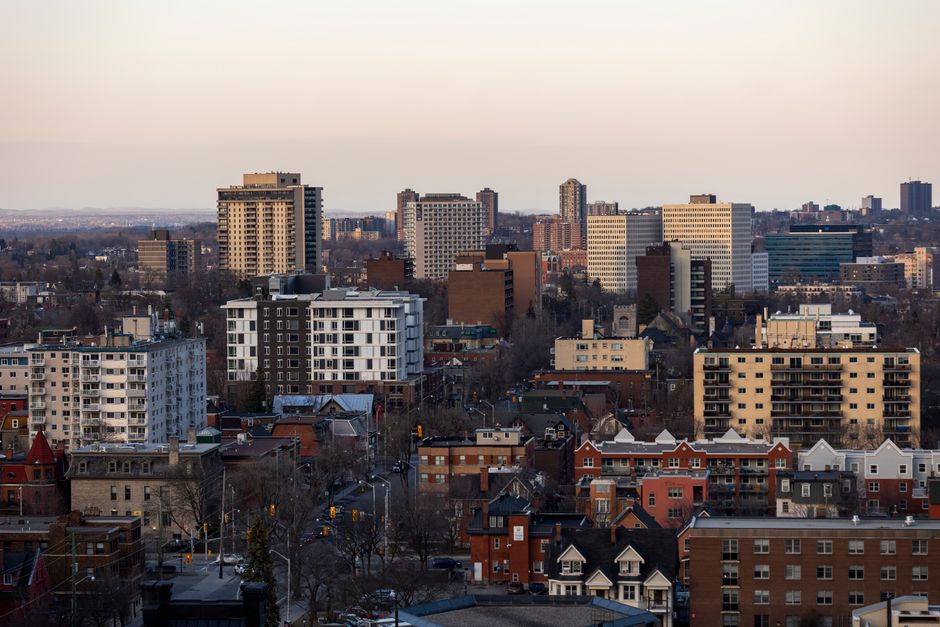
Ottawa’s average sale price bounced around through the spring and summer of 2026. One market stats source reported the following monthly averages:
| Month (2026) | Average sale price | Change vs. year earlier |
|---|---|---|
| May | $724,405 | 3.8% |
| June | $731,227 | 0.9% |
| July | $670,188 | -8.3% |
| August | $673,667 | 0.5% |
Other sources report slightly different figures for the same months, which is normal in real estate reporting. The Ottawa Real Estate Board put the July average at $683,308, down 1.6% from July 2025, with a median price unchanged at $635,000. A separate September update reported an August average of $688,253, up 0.3% annually. The spread comes from which property types are included, when the data is pulled, and how averages are weighted.
If you’re asking How Much Does It Cost to Buy a House in Ottawa in 2026, you’ll find that market dynamics play a significant role.
What matters for your budget is that Ottawa is not a runaway market in 2026. Prices are close to flat, inventory has grown, and buyers have time to think. That does not mean every listing is priced sensibly, and it does not mean you can lowball your way into a detached home in a sought-after neighbourhood.
Knowing How Much Does It Cost to Buy a House in Ottawa in 2026 can help you make informed decisions as a buyer.
Average Price by Property Type
Discussing How Much Does It Cost to Buy a House in Ottawa in 2026 with your agent can provide better insight into pricing.
City-wide averages blend condos, townhomes, detached houses and multiplexes, so they rarely describe the home you are actually shopping for. For first-time buyers, one 2026 survey of Ottawa’s value neighbourhoods pointed to condos in the $350,000 to $450,000 range and townhomes in the $500,000 to $650,000 range. Those bands are where the widest choice tends to sit, not a guarantee of what any specific unit will sell for.
Detached pricing has been less predictable. Ottawa buyers and agents have flagged listings carrying asking prices well above what comparable sales in the same area supported, in many cases around 15% higher. That gap is exactly why a comparable sales review matters more than the asking price on the sign. Ask your agent for recent sold data on the street, not just active listings.
Your Down Payment Is the Biggest Upfront Number
The down payment is where most of your cash goes before you ever get keys. Minimum down payments in Canada are set by federal rules and rise in tiers as the purchase price climbs, so there is no single percentage that applies to every buyer. Confirm the current tiers with your lender rather than relying on a number you heard from a friend.
Most Ottawa buyers fund a down payment from a mix of sources: savings, a tax-free savings account, a registered retirement savings plan withdrawal under the Home Buyers’ Plan if they qualify, a First Home Savings Account, or a gift from family. If any part of your down payment is gifted, your lender will want a letter confirming it is a gift and not a loan.
One practical rule: do not drain every account to hit a larger down payment. Cash flow disappears fast once you own a home, and a furnace or a roof does not care what you spent on closing.
Land Transfer Tax on an Ottawa Purchase
Ontario’s provincial land transfer tax is calculated in tiers on the purchase price. Using the tier structure, a $600,000 purchase works out like this:
- $275 on the first portion of the price
- 1.0% of $195,000 = $1,950
- 1.5% of $150,000 = $2,250
- 2.0% of $200,000 = $4,000
- Total land transfer tax: $8,475
That is real money that has to be in your lawyer’s trust account on closing day, not folded into the mortgage. Ontario offers a land transfer tax rebate for eligible first-time buyers, which can reduce or, in some cases, eliminate the provincial portion. Rules, thresholds and eligibility change over time, so verify the current rebate with the province of Ontario or your lawyer before you count on it.
Ultimately, understanding How Much Does It Cost to Buy a House in Ottawa in 2026 will prepare you for the buying process.
Closing Costs Beyond the Purchase Price
By reviewing How Much Does It Cost to Buy a House in Ottawa in 2026, you will be better equipped to negotiate.
Closing costs are the costs nobody advertises and everybody forgets. They vary by property and by lender, so treat the list below as a budgeting framework rather than a fixed total:
- Legal fees and disbursements for your real estate lawyer
- Title insurance
- Home inspection
- Appraisal, if your lender requires one
- Property tax and utility adjustments, paid to the seller on closing
- Status certificate review for a condo purchase
- Moving costs, cleaning, and the first round of repairs
Some closing items tied to property size are commonly quoted in the $400 to $800 range, which is why a small line item can grow quickly on a larger home. Ask your lawyer for a written estimate of your own closing costs before you waive your financing condition.
First-Time Buyer Programs That Lower the Bill
Familiarizing yourself with How Much Does It Cost to Buy a House in Ottawa in 2026 will ensure you are financially ready.
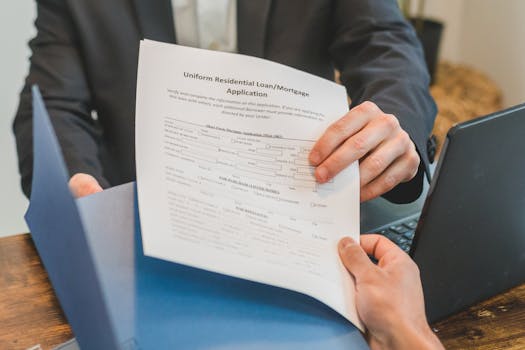
Three programs come up most often for Ottawa first-time buyers. The federal First Home Savings Account lets eligible buyers save for a first home inside a registered account. The Home Buyers’ Plan allows eligible buyers to withdraw from a registered retirement savings plan to fund a purchase. Ontario’s land transfer tax rebate for first-time buyers reduces the provincial tax described above.
If you’re wondering How Much Does It Cost to Buy a House in Ottawa in 2026, make sure to evaluate financing options.
Each program has its own eligibility rules, limits and repayment terms, and those details shift with federal and provincial budgets. Check the current federal and Ontario government sources, or ask your lender or lawyer to confirm what you qualify for. Do not build your budget around a program you have not confirmed in writing.
Understanding How Much Does It Cost to Buy a House in Ottawa in 2026 is vital for budgeting effectively.
Adding It All Up: A Step-by-Step Budget
The process of determining How Much Does It Cost to Buy a House in Ottawa in 2026 can be complex but rewarding.
-
- Get pre-approved so you know your maximum purchase price and your mortgage payment range.
Hopefully, this guide clarifies How Much Does It Cost to Buy a House in Ottawa in 2026 for prospective buyers.
-
- Decide how much cash you can put toward a down payment without emptying your savings.
Always remember, the question of How Much Does It Cost to Buy a House in Ottawa in 2026 varies based on individual circumstances.
-
- Calculate the Ontario land transfer tax for your target price, then check whether the first-time buyer rebate applies.
In conclusion, knowing How Much Does It Cost to Buy a House in Ottawa in 2026 will enhance your buying strategy.
-
- Add legal fees, title insurance, inspection and adjustments to your closing cost total.
Make sure to do your research on How Much Does It Cost to Buy a House in Ottawa in 2026 to avoid surprises.
-
- Budget for moving, cleaning and the first repairs or furniture you will need.
Many factors contribute to How Much Does It Cost to Buy a House in Ottawa in 2026, so consider them all.
-
- Hold back a cash reserve for the first several months of ownership.
Understanding the nuances of How Much Does It Cost to Buy a House in Ottawa in 2026 can save you money in the long run.
-
- Add monthly carrying costs: mortgage payment, property taxes, insurance, utilities and any condo fees.
Ultimately, keeping in mind How Much Does It Cost to Buy a House in Ottawa in 2026 will help you stay within budget.
Step seven is the one buyers skip. A purchase price that fits your down payment can still break your monthly budget once taxes, insurance and utilities are stacked on top of the mortgage.
In summary, knowing How Much Does It Cost to Buy a House in Ottawa in 2026 is essential for any savvy buyer.
Navigating the question of How Much Does It Cost to Buy a House in Ottawa in 2026 will empower you as a buyer.
A Pre-Offer Cash Checklist
- Pre-approval letter from your lender, with the rate hold confirmed in writing
- Down payment funds documented and ready to move
- Deposit funds available within the timeline in your offer
- Written estimate of legal fees and disbursements
- Land transfer tax figure calculated for your actual target price
- Home inspection and appraisal costs accounted for
- Moving and setup budget set aside
- Three to six months of carrying costs in reserve
Ottawa’s 2026 market gives buyers breathing room that did not exist a few years ago. Use it to understand How Much Does It Cost to Buy a House in Ottawa in 2026. Run the full cost picture before you fall in love with a listing, and the closing table will be a lot less stressful than it could have been.
Frequently Asked Questions
What is the average home price in Ottawa in 2026?
Ottawa’s average sale price was $683,308 in July 2026, down 1.6% from a year earlier, with a median of $635,000. The year-to-date average came in at $699,761. A separate September report put the August average at $688,253, up 0.3% annually, while sales fell 18.9%. Different sources use different methods, so treat any single figure as a starting point.
How much is land transfer tax on a $600,000 home in Ottawa?
Ontario’s land transfer tax is tiered. On a $600,000 purchase, the calculation runs $275 on the first portion, then $1,950, $2,250 and $4,000 across the next three tiers, for a total of $8,475. That figure is a planning guide. Confirm your own number with your lawyer or the province before you finalize your budget.
Is 2026 a good time to buy a house in Ottawa?
Prices have been close to flat for most of 2026, with the composite benchmark at $634,000 in July, down 0.5% year over year. Sales have dropped, with August transactions down 18.9% annually. Softer demand usually means more time to review listings and more room to negotiate. Whether that suits you depends on your timeline, your financing and how long you plan to stay.
What closing costs should I budget for on top of the down payment?
Plan for legal fees and disbursements, title insurance, a home inspection, an appraisal if your lender requires one, property tax and utility adjustments, and moving costs. Items that scale with property size are commonly quoted between $400 and $800. Totals vary by property, so ask your lawyer and lender for a written estimate before your financing condition is waived.
How do first-time buyer programs help with the cost?
Three programs come up most often in Ottawa: the federal First Home Savings Account, the Home Buyers’ Plan, which involves a registered retirement savings plan withdrawal, and Ontario’s land transfer tax rebate for first-time buyers. Each has its own eligibility rules and limits, and those change over time. Check current federal and Ontario government sources, or ask your lender.
