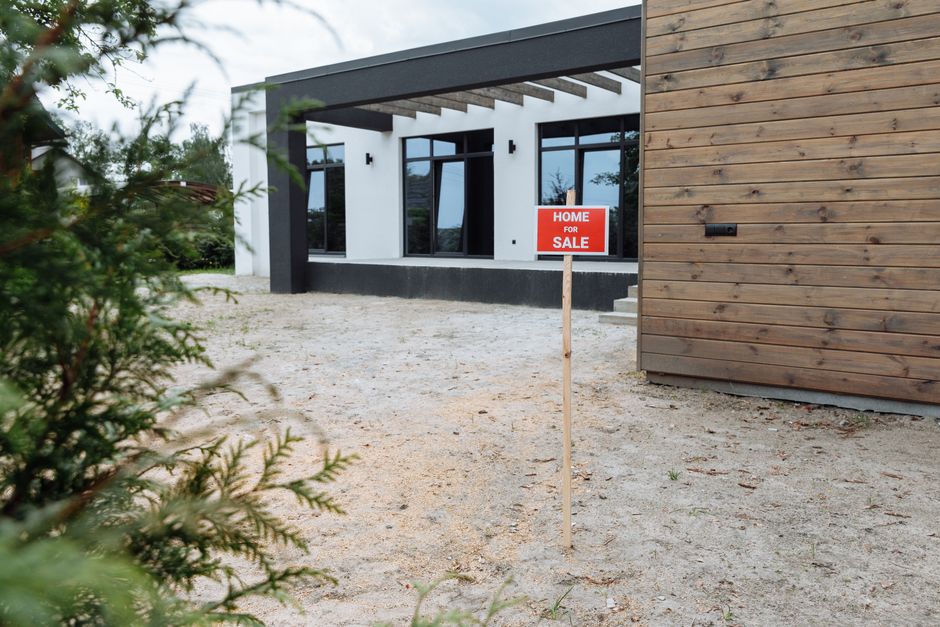
Risks of Buying a Foreclosed Home in Ottawa and How to Avoid Them
Foreclosure listings in Ottawa can look like a shortcut to a bargain. Homes described as bank-owned or distressed often attract first-time buyers, investors, and renovators hoping to secure property below market value. The low price tag comes with trade-offs, though, and understanding those trade-offs before making an offer is what separates a smart purchase from a costly mistake.
This guide explains what you need to know about the risks of buying a foreclosed home in Ottawa, why these properties behave differently from regular resale homes, and how you can protect yourself with the right preparation and the right team.
What Counts as a Foreclosure in Ottawa
Before addressing the risks, it helps to understand what you are actually looking at when you browse distressed listings. In Ottawa, almost every home marketed as a foreclosure is technically a power of sale, not a foreclosure. Under Ontario’s Mortgages Act, a lender whose borrower has defaulted on the mortgage can sell the property through this process. The legal distinction matters because it shapes how the sale works, how much time you have, and where the risk sits.
A true foreclosure generally carries more legal complexity and more risk than a power of sale. The process involves more legal steps, the timelines can stretch, and the outcome can be less predictable for everyone involved. Although the terms are often used interchangeably in listings and casual conversation, they are not the same thing. Knowing which process applies to a specific property can change how you approach your offer, your conditions, and your financing.
The Main Risks of Buying a Foreclosed Home
There are several reasons a foreclosed home is listed below comparable properties. Almost every risk stems from the lender’s position. The bank does not live in the home, has no personal attachment to the building, and wants to recover the outstanding debt efficiently. That creates a buying environment with a unique set of concerns that you will rarely face in a standard resale transaction.
Properties Are Sold in As-Is Condition
The most common risk associated with buying a foreclosed home is that the property is purchased on an “as is, where is” basis. This means the lender does not guarantee the state of the home. You take the property exactly as it stands at the time of the sale. If the furnace fails the week after closing or the roof starts leaking during the first heavy rain, those repairs are your responsibility.
For a buyer, this removes many of the protections that come with a typical resale home. In a standard transaction, there is usually room to negotiate repairs or adjust the price after an inspection. In a foreclosure situation, the as-is language limits that flexibility. Your offer should reflect the possibility that there is hidden work waiting for you after closing.
Unknown Property Condition
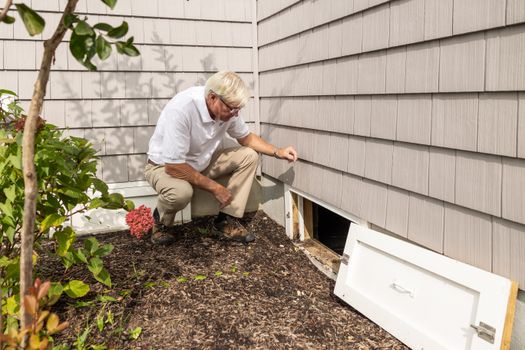
Foreclosed homes often sit empty for a period of time before a buyer comes along. A vacant property is more vulnerable to problems that only become visible after a closer look. Moisture issues, pests, plumbing failures, electrical concerns, and structural damage can all develop quietly while the home is unoccupied. Some of these issues may not be obvious during a casual walkthrough.
Serious safety issues are also possible. Because the home has not been maintained by someone with a personal stake in its condition, systems can deteriorate to a point where they are unsafe. Skipping a professional inspection is a considerable risk in any purchase, but for a foreclosure property, a professional home inspection is essential. The inspection gives you a chance to learn about the home before you become financially responsible for its flaws.
Fixtures May Be Missing
Lender-owned properties do not always include the fixtures you might expect. Sometimes basic items such as light fixtures are removed before the sale. Buyers who assume the home will include standard features can be surprised at closing when they discover that elements they took for granted are not part of the deal.
Review the agreement carefully to see exactly what is included and what is excluded. If the property is sold strictly as-is, the condition and contents of the home are not guaranteed. Ask your real estate professional to help you understand which items, if any, are listed as excluded so there are no surprises on closing day.
Legal Complexity and Increased Risk
Foreclosure generally carries more legal complexity than a power of sale, and that complexity creates risk for buyers. The process can involve additional parties, documents, and deadlines that are not part of a typical home purchase. If you are not familiar with the territory, it is easy to miss something important.
A real estate professional who has handled foreclosure and power-of-sale purchases in Ottawa can guide you through the process and help you understand what you are signing. In some cases, you may also benefit from legal advice specific to the property. The legal path matters because the risk is not only about the condition of the house; it is also about the process itself and the obligations you take on when you sign.
Unpredictable Timeframe
There is a risk that comes from the timeline rather than the building itself. Homes in a foreclosure or power-of-sale situation may sit empty for some time before you buy them, and the process can have unpredictable timing. A purchase that should close quickly can be delayed by lender requirements, legal steps, or other factors outside your control.
If you are working with a move date, a mortgage commitment, or a rental deadline, this unpredictability can create real pressure. Build flexibility into your plans. Make sure your financing and your living arrangements can handle a closing that moves later than expected.
How to Avoid the Risks of Buying a Foreclosed Home in Ottawa
The presence of risk does not mean you should avoid foreclosed homes in Ottawa entirely. It means you should enter the process with a clear plan. The buyers who do best in these situations are the ones who take practical steps to protect themselves before they sign anything.
Get a Professional Home Inspection
A professional home inspection is the single most important step in a foreclosure purchase. The inspection gives you a detailed picture of the home’s condition before you are committed. It can reveal serious safety issues that you would not catch on your own, and it can inform how you structure your offer and your budget.
Do not skip this step to save money or speed up the process. The cost of an inspection is small compared to the financial exposure of buying a home with serious hidden problems. Choose an inspector who has experience with vacant and distressed properties, and attend the inspection yourself if you can.
Understand the Type of Sale Before You Offer
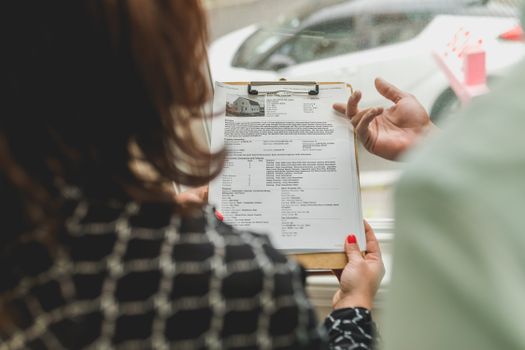
Before you make an offer, find out whether the property is a true foreclosure or a power of sale. Although most Ottawa listings fall into the power-of-sale category, the distinction affects the legal process and the level of risk. Ask your real estate professional to explain the difference in the context of the specific property you are considering.
Understanding the sale type also shapes your expectations around condition, timeline, and flexibility. A property caught in a true foreclosure process may involve more legal steps and less predictable timing than a power of sale, so adjust your approach accordingly.
Work With a Local Real Estate Professional
Local experience matters in a foreclosure purchase. An Ottawa real estate professional who understands the market and the legal process can help you evaluate whether a property is a genuine opportunity or a risk you should pass on. They can also help you draft an offer that reflects the as-is nature of the sale while protecting your interests where possible.
A professional can also help you set realistic expectations around price. Foreclosed homes are appealing because they often sit below market value, but that value reflects the condition of the property and the complexity of the sale. A good professional will help you weigh the bargain against the work and risk involved.
Plan for Unexpected Costs and Delays
Plan for the chance that the house needs more work than the inspection reveals. Set aside a budget for repairs and improvements after closing, and expect the possibility of additional expenses. Do not assume the home will be delivered in move-in condition or that every system will be in working order.
The buyers who succeed in this market are the ones who treat the purchase like a project rather than a walk-in-ready home. With the right preparation, the lower purchase price can still offer real long-term value.

Frequently Asked Questions
Are foreclosed homes in Ottawa sold as-is?
Yes, foreclosed homes are typically sold on an “as is, where is” basis. This means the lender does not guarantee the condition of the property, and the buyer accepts the home in its current state. Repairs, missing fixtures, and hidden defects become the buyer’s responsibility after closing. A professional home inspection is essential before committing to this type of purchase.
What is the difference between a foreclosure and a power of sale in Ottawa?
Almost every home marketed as a foreclosure in Ottawa is technically a power of sale under Ontario’s Mortgages Act. A true foreclosure generally carries more legal complexity and risk than a power of sale. The terms are often used interchangeably, but the legal process and timeline can differ. A local real estate professional can help you identify which process applies to a listing.
Are foreclosed homes cheaper than regular resale homes?
Foreclosed homes can be a bargain, which is why they attract investors, first-time buyers, and renovators. The lower price reflects the condition of the property, the as-is nature of the sale, and the additional risk involved. A below-market price does not always mean a good deal once repair costs and legal complexity are factored in. Consider the total cost before making an offer.
Can I include conditions in an offer on a foreclosed home?
Conditions are more limited in foreclosure purchases because of the as-is nature of the sale. The lender has less flexibility than a typical seller, so there is often less room to negotiate repairs or price adjustments. You can still protect yourself with a professional home inspection and clear legal advice before signing. Ask your real estate professional what conditions are realistic for the property you are considering.
