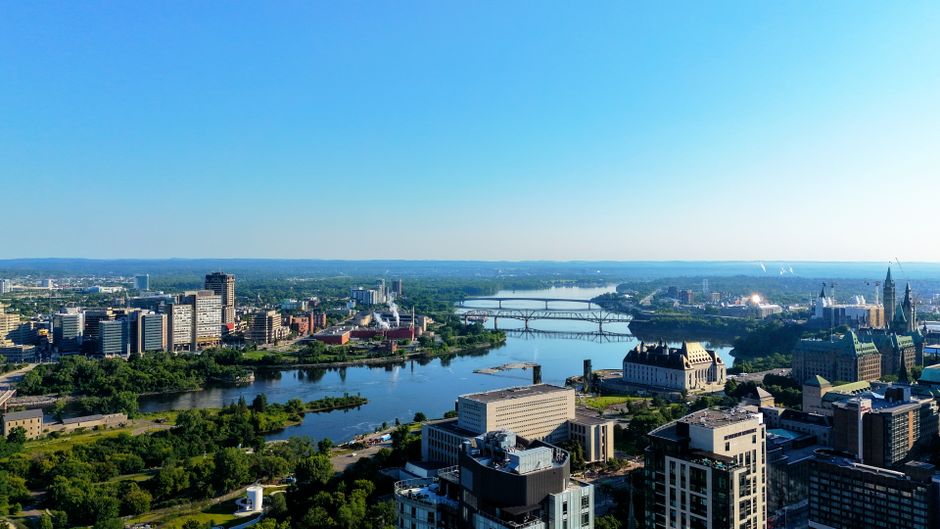
Step-by-Step Guide to Buying a House in Ottawa in 2026
Step-by-Step Guide to Buying a House in Ottawa
This step-by-step guide to buying a house in Ottawa covers five stages: understanding the market, preparing your finances, choosing neighbourhoods, making an offer and completing the purchase. Start with a comfortable budget and get professional advice before committing to a property.
Ottawa market conditions change by month and neighbourhood, so buyers should compare current listings with recent comparable sales instead of assuming the market always favours buyers or sellers. For anyone considering buying a house in Ottawa in 2026, understanding the current conditions and preparing properly can make the difference between a smooth purchase and a stressful one. Here is a practical step-by-step guide to help you navigate the Ottawa housing market this year.
Before touring properties, agree on your budget, expected closing costs and must-have features. A clear plan makes it easier to compare homes.
Review each stage with your agent, mortgage professional and lawyer before making time-sensitive decisions.
Step 1: What should you check in Ottawa’s housing market?
This guide walks buyers through preparing a budget, comparing communities, making an offer and completing the purchase. For information specific to first-time purchasers, see our first-time home buyers Ottawa guide.
Compare recent sales and active listings for your chosen neighbourhood and property type. Check the reporting month and distinguish asking prices, average sale prices and benchmark prices. A city-wide figure cannot establish what a particular home is worth.
Our Ottawa real estate market guide provides market context. Ask your real estate representative to review current comparable sales before you decide on a price or negotiating approach.
Step 2: How much can you afford, and why get pre-approved?
Set a monthly housing budget that includes mortgage payments, property tax, insurance, utilities, maintenance and any condo fees. Keep money available for closing and moving expenses. A lender’s maximum approval may be more than you are comfortable spending.
Under the standard minimum down payment calculation, a $600,000 purchase requires $35,000: 5% of the first $500,000 plus 10% of the remaining $100,000. Lenders may require more, and mortgage default insurance is usually required with less than 20% down. Check the federal down payment guidance and confirm your requirements with a mortgage professional.
For savings programs, eligibility and financial assistance, see our Ottawa first-time buyer programs and budgets guide. Check each program separately before including a benefit in your purchase budget.
Our Ottawa mortgage pre-approval guide explains what to prepare. Ask your lender about the rate hold, expiry date and conditions. Pre-approval does not guarantee final financing; the lender must also assess the property and confirm your financial information.
Step 3: How do you choose an Ottawa neighbourhood?
Explore neighbourhoods based on commuting needs, housing stock, schools where relevant and the total cost of ownership. Our Ottawa neighbourhood guides can help you compare areas.
Compare the homes available within your budget in a few areas. Central Ottawa may suit buyers who value walkability, while Kanata, Orléans, Stittsville and Barrhaven offer a range of suburban housing choices. Check current listings, condo fees where relevant, and the trips you make regularly rather than relying on fixed neighbourhood price bands.
If you also consider Gatineau, compare provincial taxes, financing, legal requirements and commuting arrangements with qualified professionals. A lower asking price alone does not establish a lower total cost.
Step 4: What should you include in an offer?
An offer sets out the proposed price, deposit, closing date, inclusions and any conditions. Review the terms, deadlines and your financial limits with your real estate representative and lawyer as appropriate before signing.
Watch: What should you include in an offer to buy a house in Ottawa?
Presented using an AI avatar of Sandi Branker, REALTOR® with Zolo Realty. Watch on YouTube.
Choose your representative early. Understand the services, fees, duration and terms of a buyer representation agreement. The RECO buyer’s checklist explains questions to ask.
Discuss financing, inspection and condominium-document conditions where relevant. Your offer’s deposit requirements and deadlines depend on the agreement. A deposit is part of the purchase funds, but its timing and legal consequences differ from simply saving a down payment. Do not assume you can withdraw from an accepted offer without consequences.
For a condominium, arrange for your lawyer to review the Ontario condo status certificate and supporting documents within the agreed timeline.
Step 5: What happens before closing day?
Presented using an AI avatar of Sandi Branker, REALTOR® with Zolo Realty. Watch on YouTube.
Before closing, review the statement of adjustments with your lawyer and confirm your lender’s funding arrangements, home insurance and moving plan.
After acceptance, work through the agreement’s deadlines and finalize financing. Budget separately for legal fees, disbursements, applicable land transfer tax, title insurance, adjustments and other purchase expenses. Eligible first-time buyers may qualify for an Ontario land transfer tax refund. Ask your lawyer for an estimate and use our Ottawa closing-cost guide to prepare.
Work with an Ontario real estate lawyer on title, registration and closing funds. Arrange any agreed home inspection within the contractual timeline, and review the results before deciding whether to fulfil or waive a condition.
Confirm insurance, utilities, your final walk-through where arranged, and moving plans before closing. Your lawyer will confirm when the purchase has completed and keys can be released.
Frequently Asked Questions
Here are answers to common questions about buying a home in Ottawa.
What is the average price of a house in Ottawa in 2026?
There is no single price that represents every Ottawa home. Prices vary by property type, neighbourhood, condition and reporting month. Check the latest dated market report and recent comparable sales for the kind of property you want.
How much do I need for a down payment in Ottawa?
The minimum depends on the purchase price and lending requirements. Under the standard calculation, a $600,000 purchase requires $35,000 down, before closing costs. Ask your lender whether your circumstances require a larger amount.
What neighbourhoods are best for first-time buyers in Ottawa?
Start with areas that fit your budget, housing needs and daily trips. Compare central condominiums with suburban townhouses or houses using current listings and total monthly costs. No neighbourhood is automatically the best choice for every first-time buyer.
What are closing costs in Ottawa?
Closing expenses can include legal fees, disbursements, land transfer tax, title insurance and adjustments. Inspections, moving and other expenses also need a budget. Your lawyer and lender can estimate the amounts for your purchase and confirm any refund eligibility.
Is it a good time to buy a house in Ottawa in 2026?
The right timing depends on your finances, plans and the homes available within your budget. Compare current local conditions and ownership costs without assuming prices will rise or fall. Leave room for repairs, changing expenses and unexpected events.
Explore Ottawa Homes for Sale With Zolo Realty
I’m Sandi Branker, a REALTOR® with Zolo Realty serving Ottawa and surrounding communities. Use Zolo.ca to search Ottawa listings as you compare homes and neighbourhoods.
View current Ottawa listings on Zolo.ca →
This button will take you to Zolo.ca.
