
What Is a Detached House? Your Home Options Explained
What is a Detached House? Exploring Your Home Options
Key Highlights
- A detached house is a standalone residential building that doesn’t share walls with any other dwelling, providing a higher level of privacy for homeowners.
- In Ottawa, detached homes typically come with larger yards and more outdoor space than attached homes, making them ideal for families and those seeking room to grow.
- Detached houses often allow for greater customization, both inside and out, and usually have higher resale value in the real estate market.
- Compared to attached home options, detached houses carry increased maintenance responsibilities and tend to be more expensive.
- Buyers must carefully consider their lifestyle preferences, affordability, and maintenance commitment when choosing between detached and attached home options.
Introduction
Choosing the right type of home is one of the biggest steps in any real estate journey. If you’re exploring your options in Ottawa’s housing market, you’ve likely encountered the term “detached home.” This popular type of home stands out for its privacy, space, and flexibility, but it’s not the best fit for everyone. Understanding what defines a detached house, how it compares to other types of homes, and what advantages and challenges it brings can help you make a more informed decision for your next move.
Defining Detached Houses in Ottawa, Ontario
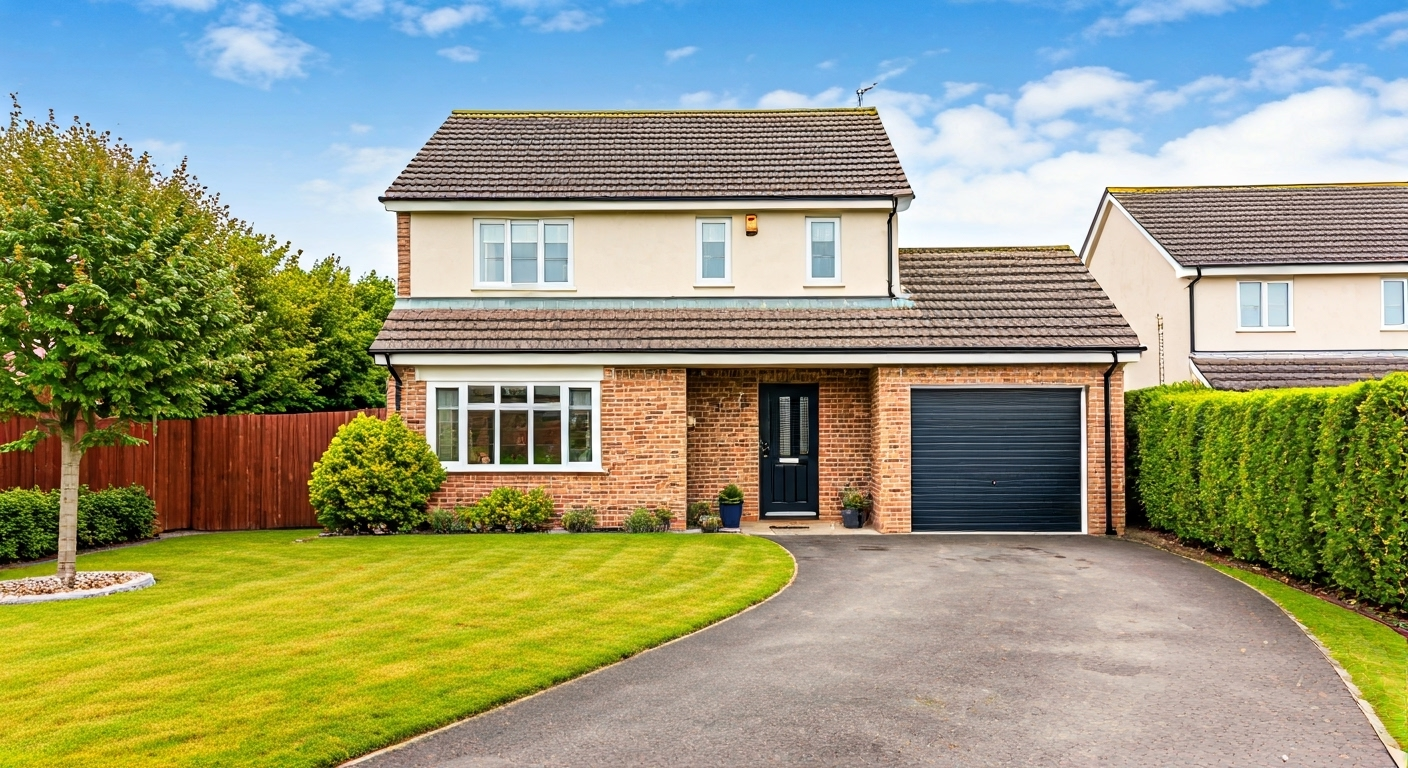
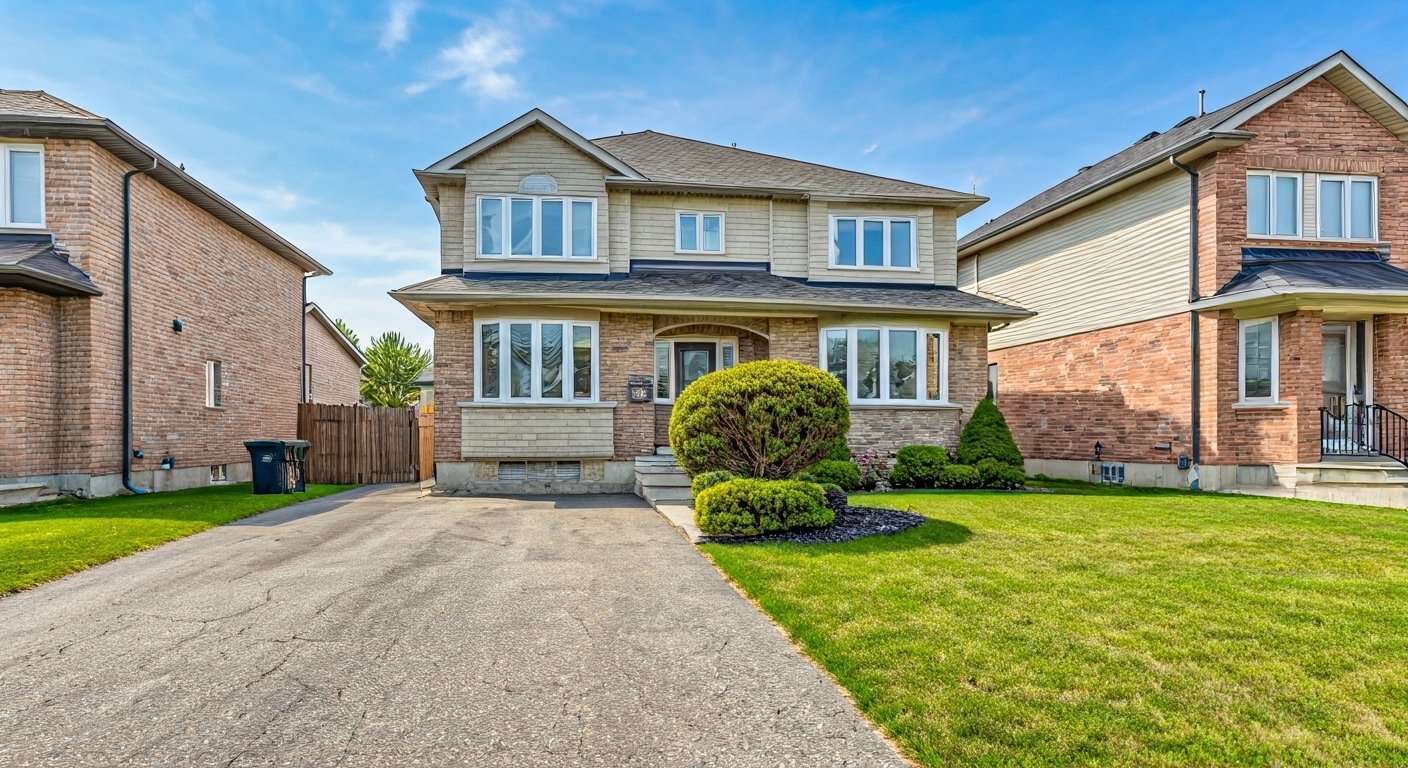
Detached houses in Ottawa are standalone dwellings that do not share any walls or structural elements with neighboring homes. This makes them highly sought after in the real estate market, particularly for buyers prioritizing space and privacy. These homes sit on their own lots, offering open space on all sides, from front and back yards to side gardens.
Can you explain what a detached house is and how it differs from attached or semi-detached homes? Quite simply, a detached house provides complete independence from neighboring properties. Unlike semi-detached or attached homes—where you might share walls or common features—detached houses are entirely self-contained, emphasizing personal space and property ownership.
[optima_express_quick_search style=”horizontal” showPropertyType=”true”]
What Makes a Home “Detached”?
A detached home is, at its core, a residential building that stands alone on its own parcel of land. This means it’s physically separate from any neighboring structure, with no shared walls, roofs, or foundations. This standalone setup is particularly appealing to single families who value their own space and want control over their surroundings.
Is a detached house the same as a single-family home, or are there differences between the two? In most cases, the terms detached home and single-family home are used interchangeably, especially in the Ottawa real estate market. Both refer to a sole dwelling unit designed for one family, sitting independently on its own lot.
Having no shared walls distinguishes detached homes from attached or semi-detached options. This not only impacts your personal space but also how noise travels and how much say you have in renovations or exterior changes. Detached homes are ideal if you’re looking for greater autonomy and minimal neighborly intrusion.
How Detached Houses Differ from Attached and Semi-Detached Homes
Detached homes set themselves apart by offering maximum privacy, as they stand alone and don’t share walls with neighboring houses. In contrast, attached homes—such as townhouses, row houses, and some duplexes—connect to adjacent properties through shared walls, reducing privacy but sometimes creating a stronger sense of community. Semi-detached homes share a single wall with one other dwelling, blending some elements of both options.
How does living in a detached house compare to attached or semi-attached homes in terms of privacy and space? A detached home provides a buffer from neighbor noise and allows for more freedom in outdoor space usage. However, attached and semi-detached homes can offer lower purchase prices and more communal amenities.
Here’s a text table highlighting key differences:
| Feature | Detached Home | Attached Home (Townhouse/Row House) | Semi-Detached Home |
|---|---|---|---|
| Shared Walls | None | One or more | One |
| Privacy | High | Low to Moderate | Moderate |
| Outdoor Space | Larger yards, all sides | Limited, often only front/back | Some yard, usually side/back |
| Customization | Full control over structure/landscaping | Limited by neighbors/HOA | Some flexibility |
| Affordability | Typically higher purchase price | Lower purchase price, HOA fees | Mid-range |
Typical Features and Layouts of Detached Houses
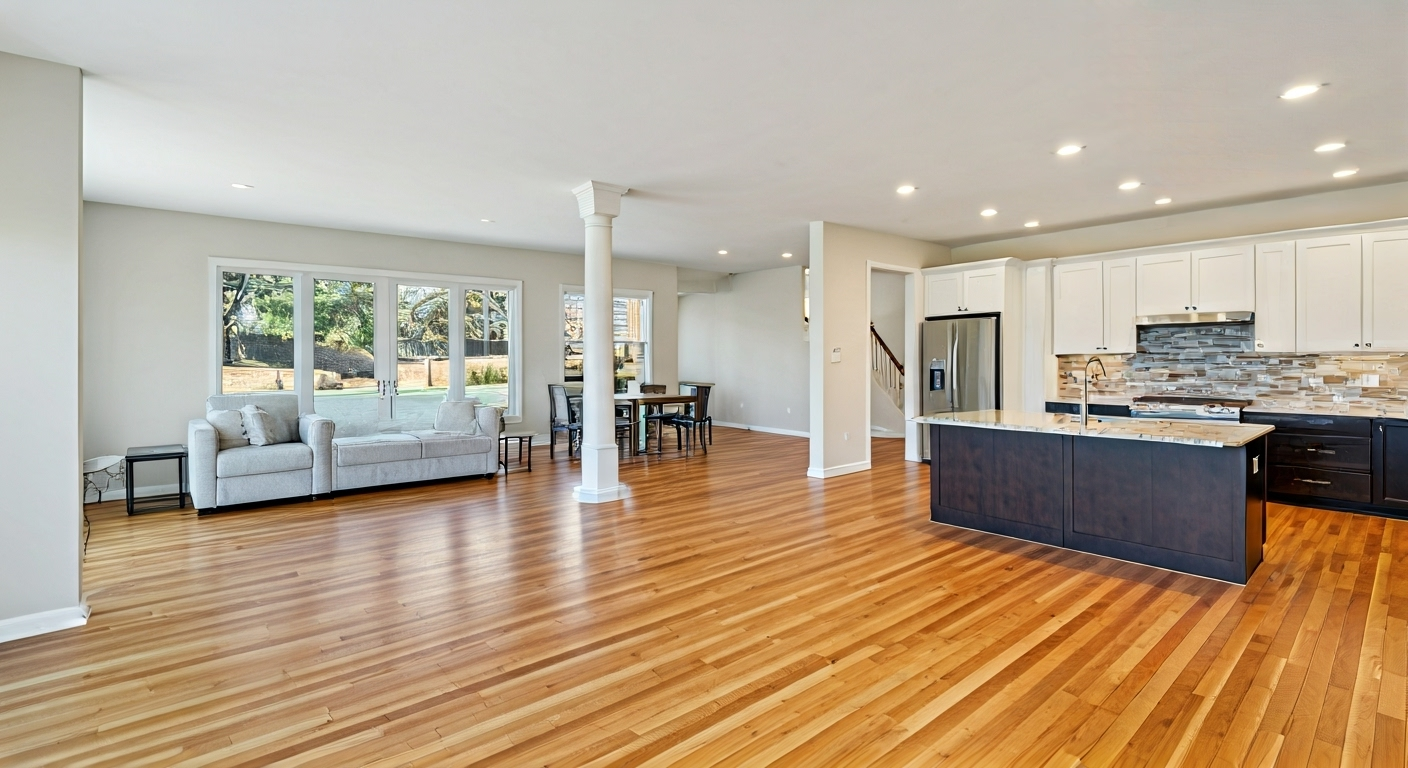
Floor plans in detached homes are remarkably flexible, often offering a range of layouts and square footage to meet diverse family needs. You’ll commonly find open-concept living areas, multiple bedrooms, and dedicated spaces such as basements or attics. Larger lot sizes allow for expansive yards, patios, or even pools, giving homeowners abundant outdoor space.
Can you describe the typical features or layouts of a detached house? Expect separate entries, independent garages, and private gardens. The variety in design is a major appeal, making it easier to find a home layout that matches your lifestyle and future plans.
Common Architectural Styles in Ottawa
Ottawa’s detached homes showcase a mix of architectural styles, each appealing to different tastes and family needs. Bungalows are popular for their single-level layouts and easy accessibility, making them a preferred choice for both young families and retirees. Lofts and modern designs offer open floor plans, maximizing natural light and giving a contemporary touch to residential buildings.
Duplexes are another common sight, especially in neighborhoods aiming to balance housing demand with available space. These structures contain two separate living units, making them versatile for multi-generational families or those seeking rental income.
What kinds of neighborhoods or areas typically have more detached houses? You’ll find clusters of detached homes in Ottawa’s suburban and rural areas, where lot sizes are larger and there’s room for sprawling lawns and gardens. Established neighborhoods, such as Westboro or Rockcliffe Park, are known for their array of detached homes, offering quiet streets and plenty of green space.
Floor Plans and Lot Sizes
When considering detached houses, floor plans and lot sizes are crucial factors. These homes frequently offer generous square footage, accommodating everything from open-concept kitchens to dedicated family rooms and home offices. The added outdoor space allows for gardens, patios, and even playgrounds.
- Lot sizes can range from compact urban plots to spacious rural estates, impacting both your privacy and your options for landscaping or outdoor activities.
- Open space surrounding the home not only enhances curb appeal but also increases opportunities for renovations or additions, such as decks or sunrooms.
- Larger square footage means more flexibility in layout—think walk-in closets, finished basements, or multi-car garages.
Can you describe the typical features or layouts of a detached house? Detached homes typically include multiple bedrooms, versatile living spaces, and separate entry points, ensuring personal space and functionality for families of all sizes.
Advantages of Owning a Detached House
The biggest draw of owning a detached home comes down to freedom and flexibility. Customization is far easier when you own the property and land outright, enabling you to redesign interiors or reshape landscaping as you wish. Larger yards and more personal space mean a higher level of privacy, which many consider essential for comfortable living.
What are the main advantages and disadvantages of owning a detached house? Detached homes are also known for maintaining solid resale value, making them a sound investment in the real estate market. However, they come with added responsibilities and costs, which are essential to consider.
Privacy and Space Benefits
Privacy is one of the defining features of a detached home. You’re not sharing walls with neighbors, so everyday noises like conversations or music remain contained within your space. This higher level of privacy can make a significant difference for families who value peace and quiet or for those working from home.
Personal space extends beyond the interior. Larger yards offer opportunities for gardening, outdoor entertaining, or creating safe play areas for kids and pets. This kind of outdoor space is hard to find in attached or semi-detached homes, where lot sizes are typically smaller.
How does living in a detached house compare to living in an attached or semi-attached home in terms of privacy and space? Detached homes ensure you have control over your environment, from landscaping to noise levels, offering a comfort level that’s hard to match in more communal housing types.
Freedom for Customization and Renovation
Detached homeownership opens the door to extensive customization and renovation possibilities. Since you own both the house and the land it sits on, you’re free to adapt or expand your property as your needs change. Want to add an extra bedroom, remodel the kitchen, or build a deck? It’s usually within your rights, barring any HOA restrictions.
- Renovations can be tailored to your lifestyle, whether that means creating a home office, finishing a basement, or reconfiguring the layout for better flow.
- Exterior maintenance and landscaping are up to you, so you can plant gardens, install fencing, or even add a pool, reflecting your personal style.
- Homeowners can update both the interior and exterior without negotiating with neighbors, a freedom not typically available in attached or semi-attached homes.
What are the main advantages and disadvantages of owning a detached house? The ability to put your unique stamp on your home is a significant advantage, especially for those seeking a truly personal living space.
Considerations and Challenges of Detached Home Ownership
While detached homes offer many benefits, ownership comes with added challenges. Maintenance and upkeep are entirely your responsibility, from landscaping to exterior repairs and seasonal chores. These tasks can become time-consuming and costly, especially if the home is larger or older.
Affordability is another key consideration. Detached houses usually carry higher upfront costs than attached properties, making them less accessible for some buyers. Weighing these factors is essential when deciding if a detached home aligns with your budget and lifestyle.
Maintenance and Upkeep Responsibilities
Owning a detached home means taking on full maintenance responsibilities for both the house and the entire lot. Tasks include lawn care, snow removal, and regular exterior upkeep, like painting or repairing siding and roofing. Unlike attached homes, where HOA fees might cover certain services, detached homeowners handle these duties independently.
Are there any unique maintenance or upkeep considerations for detached houses? Yes—since these homes are freestanding, you’re also responsible for repairing exterior features, from fencing to driveways. Routine maintenance prevents bigger repair issues and helps preserve property value.
Homeowners who enjoy DIY projects might find this aspect rewarding, but others may see it as a drawback. When considering a detached home, factor in the time, effort, and financial resources needed for ongoing maintenance.
Upfront Costs and Affordability Factors
Affordability is a major factor when choosing between detached and attached homes. Are detached houses generally more expensive than attached homes, and why? Detached homes typically come with higher upfront costs for several reasons: you’re purchasing both the home and a larger parcel of land, and there are no shared elements to reduce construction expenses.
- Lower purchase prices are often associated with attached homes, making them a popular choice for first-time buyers or those on a budget.
- Detached homeowners may pay less in HOA fees, but must budget for all maintenance and repairs, which can add up over time.
- The potential for higher resale value is an important consideration, as detached houses generally appreciate well in the market.
Carefully evaluate your financial situation and long-term goals before committing to a detached property.
Conclusion
In summary, a detached house offers a unique blend of privacy, space, and the freedom to customize your living environment. With their distinct characteristics and advantages, such homes can serve as a long-term investment that caters to your personal lifestyle needs. However, it’s essential to weigh the benefits against the responsibilities of maintenance and the financial implications involved. Whether you are drawn to the architectural styles or the idea of expansive outdoor space, understanding what a detached house entails is crucial in making an informed decision about your home options. If you’re ready to explore this exciting journey further, sign up today for expert guidance tailored to your needs.
Frequently Asked Questions
Are detached houses the same as single-family homes?
A detached house and a single-family home generally refer to the same type of dwelling: a standalone residential building designed for one family. In Ottawa and most North American markets, these terms are used interchangeably to describe independent homes on private lots.
Are detached houses usually more expensive than attached homes in Ottawa?
Yes, detached houses are typically more expensive than attached homes in Ottawa’s real estate market. Affordability is influenced by factors like lot size, privacy, and square footage. Attached homes tend to have lower purchase prices, making them a more accessible option for budget-conscious buyers.
What should I consider when choosing between a detached and attached home?
When choosing the best choice for your needs, consider your family size, lifestyle preferences, maintenance responsibilities, and budget. Detached homes offer privacy and space but require more upkeep, while attached homes may have lower costs and shared maintenance, better suiting some homeowners’ lifestyles.
