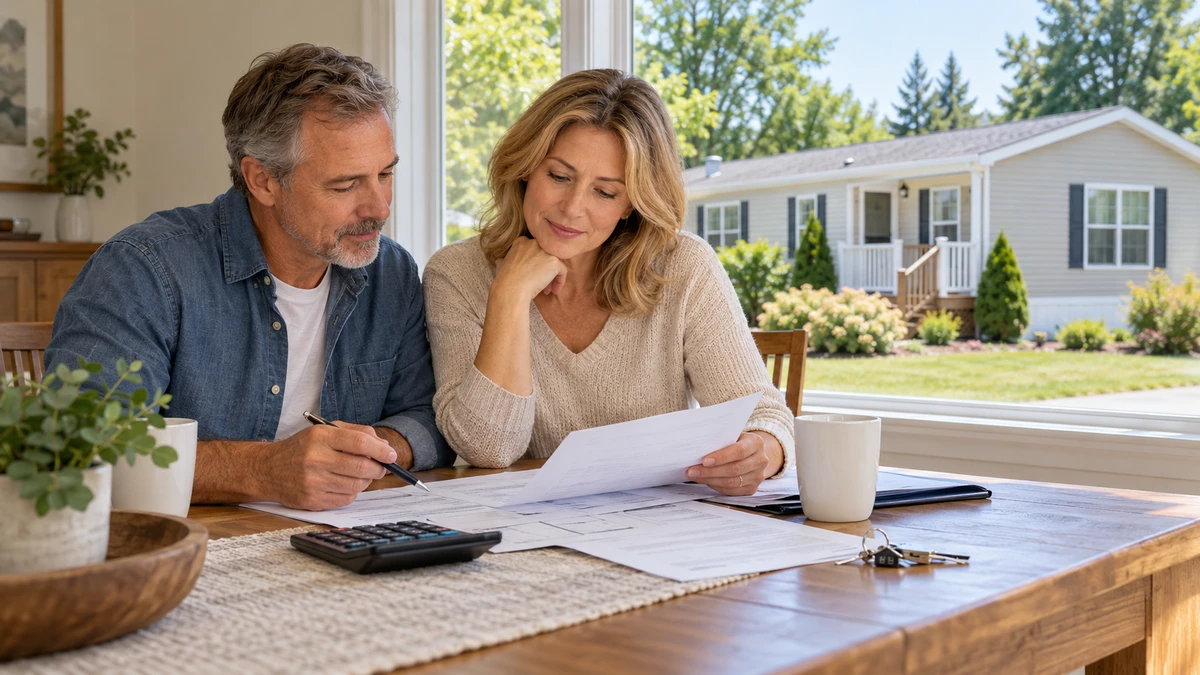
Mobile Home Financing in Ontario: Owned Land vs. Leased Land
Can you get a mortgage on a mobile home in Ontario? Sometimes—but the most important question is whether you are buying the land as well as the home. A manufactured or mobile home that is permanently installed on land you own may qualify for a traditional real-estate mortgage, subject to the lender’s requirements. If you own the home but lease its lot, you may need specialized financing secured against the home instead. Neither arrangement guarantees approval.
This guide focuses on the practical difference between owned land and leased land, especially for buyers comparing manufactured homes around Ottawa and other Ontario communities. Before making an offer, establish how the home is legally held, whether it can be financed, and what the total monthly costs will be.
Mobile Home Financing in Ontario: Owned Land vs. Leased Land
1. Mobile Home on Land You Own
Potential financing: A conventional or insured mortgage may be possible if the manufactured home is permanently installed and the lender accepts the property.
What to verify: Clear land title, foundation and installation, applicable building standards, year-round occupancy and the property’s appraised value.
2. Mobile Home on Leased Land
Potential financing: Specialized or chattel financing may be available. A conventional mortgage secured by owned land may not be appropriate.
What to verify: The lot lease, park rules, proof of ownership of the home, lender security requirements and any restrictions on future resale.
3. Seasonal or Movable Park-Model Home
Potential financing: Options may be more limited, depending on the lender and how the home is classified and installed.
What to verify: Whether year-round occupancy is permitted, the installation and legal classification of the home, and insurance availability.
These are possible routes, not guaranteed products. A lender and Ontario real estate lawyer should review the actual property and documents.
When Can You Get a Traditional Mortgage on a Manufactured Home?
Owning the land can make financing more straightforward because the lender may be able to take security against the real property, including an acceptable permanently installed dwelling. Still, owning the land alone is not enough. Lenders assess the dwelling’s construction and installation, condition, age, foundation, legal status and marketability, as well as your finances.
Questions to ask before assuming a standard mortgage will work include:
- Will the dwelling and land transfer together under clear, marketable title?
- Is the home permanently installed, and does it meet applicable building and installation standards?
- Is the property legally permitted and practical for year-round occupancy?
- Can an appraiser find adequate comparable sales, and will the lender accept the valuation?
- Can you obtain the home insurance required by the lender?
CMHC describes traditional mortgage security for eligible prefabricated homes permanently affixed to land on a permanent foundation, and chattel mortgage security for eligible movable homes. Its Prefab Plus information also sets out new-construction and year-round-use requirements. This is not confirmation that an older resale mobile home or a particular leased site qualifies. Ask the lender which financing and insurance program, if any, applies to the actual purchase.
How Does Financing a Mobile Home on Leased Land Work?
In a land-lease community, a buyer may acquire the home without acquiring the land beneath it. The homeowner pays rent for the site, often called pad rent or lot rent. This changes the lender’s security: the home may be treated as movable personal property for financing purposes rather than as a conventional parcel of real estate.
One possible option is a chattel loan, secured against the home itself. Terms, interest rates, down-payment requirements and availability vary widely. Some lenders may not finance older homes, certain parks or particular types of lease arrangements. Ask a lender that actually handles manufactured housing on leased sites; do not assume an ordinary online mortgage pre-approval applies.
What Does the Lot Lease Need to Say?
Review the written lot or site agreement with an Ontario lawyer before committing. Important questions include:
- How long can you occupy the site, and what are the renewal and termination provisions?
- What is the current lot rent, and how may it change?
- What services and utilities are included, and who maintains roads, water, septic systems or shared facilities?
- Does the park or landowner need to approve the purchaser, financing, transfer or future resale?
- Are there age, pet, improvement, occupancy or removal restrictions that could affect living there or selling later?
- What happens to the home if the site agreement ends?
The Landlord and Tenant Board explains that residential mobile-home and land-lease sites generally have tenancy protections, with exceptions for some vacation and temporary arrangements. Have a lawyer check which rules apply, whether proposed park restrictions are enforceable, and the process for assigning the site tenancy to a purchaser. The lease alone does not determine all your rights.
What Documents Should You Gather Before Applying?
For either type of financing, expect questions about your income, debt obligations, down-payment funds and credit history. The property itself may require additional documentation.
- For the home: age and make, serial or identification numbers where applicable, purchase agreement, photos, condition and inspection records, installation or foundation documentation, and insurance information.
- For owned land: title details, survey or site information if required, municipal permissions and available building records.
- For leased land: the complete lot lease, rent schedule, park or landowner contact details, and written rules about transfers, security and occupancy.
- For the borrower: employment and income verification, recent financial statements if requested, credit information and a record of down-payment sources.
Providing the property and lease details early can prevent a buyer from discovering late in the transaction that a lender will not finance the home.
What Will a Leased-Land Mobile Home Cost Each Month?
Compare the total cost of housing, not just the advertised purchase price. On leased land, include the loan payment, site rent, insurance, utilities, maintenance and any separately payable property taxes or service charges. Confirm in writing what the rent includes to avoid double-counting. With owned land, budget for mortgage payments, property taxes, insurance, utilities and upkeep.
For example, two homes with the same purchase price can have very different monthly budgets if one requires a specialized loan with a shorter repayment period and recurring lot rent. Request written financing estimates and the full park-fee schedule rather than assuming that a cheaper home will always be cheaper to carry.
For help setting a comfortable price range, see our Ottawa home affordability guide.
What Should Ottawa Buyers Check Before Making an Offer?
- Confirm what is actually for sale. Determine whether the purchase includes fee-simple land, a leasehold interest, or the structure alone.
- Talk to a qualified lender before committing. Describe the exact home, its installation and the land arrangement—not simply that it is a “mobile home.”
- Have the lease and title reviewed. Ask an Ontario lawyer about permitted use, liens, transfer rights and obligations.
- Investigate the home itself. Arrange appropriate inspections and check services, moisture, foundation or supports, heating, insulation and year-round suitability.
- Plan for the ongoing costs. Include site fees and possible increases where applicable, insurance, maintenance and moving or removal obligations.
- Use appropriate protections in the offer. Discuss financing, legal-review and inspection conditions with your agent and lawyer before signing.
Buyers who need a general explanation of the financing application can also read How to Get Pre-Approved for a Mortgage in Ottawa. A pre-approval for a conventional home does not guarantee financing for a manufactured home or leased-lot property.
Frequently Asked Questions
Can I use a regular mortgage to buy a mobile home on land I own?
Possibly. An acceptable permanent installation on owned land may qualify, but the lender must approve the property, valuation, construction and borrower. Never assume ownership of the lot guarantees a conventional mortgage.
Can you finance a mobile home in an Ontario park?
Sometimes. Specialized or chattel financing may be available for eligible homes, but lender availability and terms depend on the home, park agreement and borrower. Check the lot lease before seeking financing.
Is a chattel loan the same as a traditional mortgage?
No. A chattel loan is generally secured against movable personal property, such as the home, rather than conventional land-and-building real estate security. Rates, terms, registration and lender protections may differ.
Does CMHC insure all manufactured homes?
No. CMHC has programs for certain eligible prefabricated and manufactured homes, but property standards, loan structure, borrower requirements and lender participation matter. Eligibility must be checked for the specific transaction.
Is the minimum down payment always 5%?
No. Do not assume that the familiar minimum down-payment rules for eligible conventional mortgages automatically apply to chattel or specialized mobile-home financing. Ask the prospective lender for a written estimate based on the actual property.
Explore Ottawa Homes for Sale With Zolo Realty
I’m Sandi Branker, a REALTOR® with Zolo Realty serving Ottawa and surrounding communities. I can help buyers compare locations, property details and questions to raise with mortgage and legal professionals as they consider their next home.
View current Ottawa listings on Zolo.ca →
This button will take you to Zolo.ca.
For property-shopping considerations, see our Ottawa mobile-home buyer guide. This financing article focuses on borrowing and the land arrangement.
Contact Sandi Branker, REALTOR® with Zolo Realty, at Sandi.Branker@zolo.ca or 613-408-7935 to discuss Ottawa-area property options.
