Free Homesteading Land in Canada? Explore Options
Where is Land Free for Homesteading in Canada? Find Out!
Key Highlights
- While the Canadian government no longer offers widespread free land, certain municipalities do.
- Homesteading opportunities often involve buying land at a very low price, with building commitments.
- Provinces like Saskatchewan and Manitoba have towns offering plots to attract new residents.
- The Yukon provides opportunities to acquire Crown land for agricultural homesteading.
- These “free land” programs require significant investment in building and development.
- Eligibility often includes residency, financial stability, and a detailed development plan.
Introduction
Have you ever dreamed of owning land and building a life from scratch? The idea of homesteading in Canada’s vast landscapes, including the beautiful areas near Quebec City, appeals to many. While the days of claiming free homestead land in Canada from the government are mostly in the past, unique opportunities still exist if you know where to look. This guide explores the modern reality of acquiring “free homestead land in Canada,” from small-town initiatives to agricultural programs in the north.
Exploring the options for free homestead land in Canada is not just a dream; it’s a viable path for many. If you’re considering a lifestyle change, free homestead land in Canada can provide the perfect opportunity.
If you’re specifically wondering about Ontario, Canada, truly free land is extremely rare. Some small towns may occasionally offer incentives or land grants intended to attract new residents, but these are limited and often come with specific conditions. Most land in Ontario will require a purchase, though researching local municipality programs can sometimes uncover unusual opportunities.
Understanding Free Homestead Land in Canada: Opportunities for Homesteading in Canada
Many regions across Canada still offer the chance to claim free homestead land in Canada. Understanding these opportunities can help you find the right fit for your homesteading needs.
The concept of obtaining free land for homesteading in Canada has evolved over time, particularly as Indigenous communities become involved in local initiatives. The federal government no longer gives away public land on a large scale. Instead, these opportunities are typically local initiatives designed to attract people to smaller communities.
Are you wondering if you can still find free land? Yes, but it’s not as simple as just claiming a plot. Municipalities often run these programs to spur growth, and they may be tied to affordable-housing goals. You will likely have to meet specific conditions to secure your property.
History and Current Status of Free Land Programs
Historically, the Canadian government used free land grants to encourage settlement, particularly in the West. This was central to the nation’s expansion, attracting immigrants to cultivate and develop vast areas of public land. This era, however, has long since passed.
In recent years, the idea has been reborn on a much smaller scale. Unlike some US programs that focus on remote, undeveloped land, Canadian initiatives often aim to revitalize existing small towns. These programs aim to attract new families and businesses, thereby strengthening the local community and economy.
You will not find a national program from the Canadian government today. Instead, the focus has shifted to targeted, local schemes where a town offers land to people who promise to build a home and become part of the community.
For those interested in exploring options for free homestead land in Canada, thorough research into local programs is essential.
For those interested in free homestead land in Canada, thorough research into local programs is essential. The appeal of free homestead land in Canada is drawing many to consider a new lifestyle.
Government and Community Initiatives Offering Free Land
Current government programs offering land are almost exclusively run by local municipalities, not the federal Canadian government. These towns use land as an incentive to drive population growth and expand their local tax base. The “free” aspect usually comes with important strings attached.
For instance, you might get a lot for a nominal fee, like $10, but you must agree to build a house of a certain size within a specific timeframe. You will also be responsible for all construction costs, utility connections, and future property taxes. These initiatives are a strategic tool for community development.
Common conditions include:
- Making a down payment on the home you plan to build.
- Completing construction within one to two years.
- Occupying the home and becoming a town resident.
What land is available for sale in Ontario for under $20,000?
While land prices in Southern Ontario have risen significantly, you can still find small recreational lots or remote acreages in Northern Ontario and parts of the Ottawa Valley for under $20,000. These properties are often off-grid or in unorganized townships, offering the privacy and freedom needed for sustainable homesteading. Verify zoning requirements and road access before buying, as these factors can greatly affect total development costs.
Can you find abandoned properties for sale in Ontario under $50,000?
Abandoned properties and handyman specials under $50,000 are rare but appear in smaller rural communities and northern regions. These often require major structural renovation or environmental remediation, making them ideal for investors or experienced homesteaders skilled in restoring derelict homes. Monitoring live IDX feeds for as-is listings is the best way to secure these high-value, low-cost opportunities as they come on the market.
[optima_express_toppicks id=”2993701″ sortBy=”lpa” header=”true” includeMap=”false” status=”active”]
Canadian Provinces Known for Free Land Offers
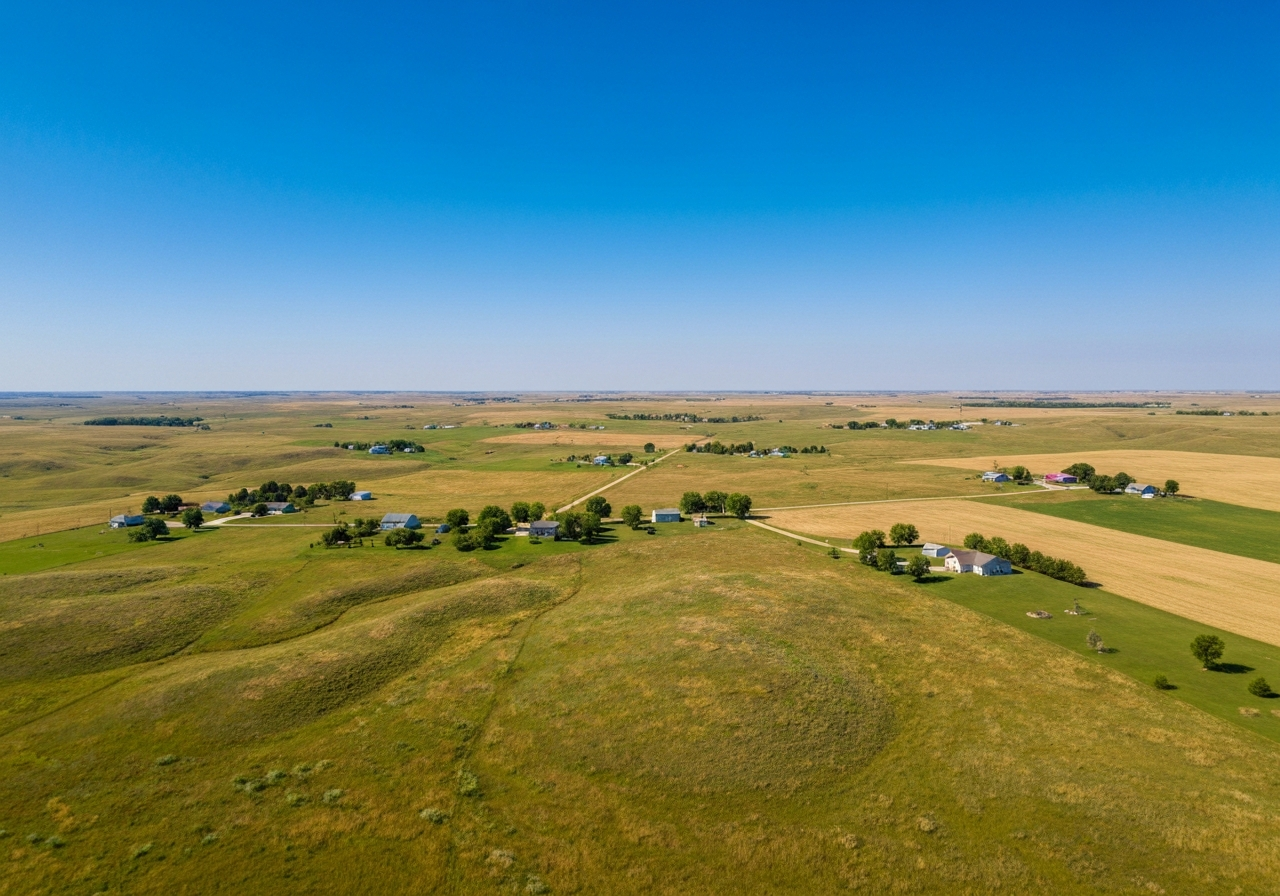
If you are looking for these unique land opportunities, your best bet is the Prairie provinces, including regions like Prince Edward Island. Certain areas in Manitoba, Saskatchewan, and Alberta have become known for offering land programs to attract new residents and boost their populations. These initiatives are typically found in a small town looking to attract new families and stimulate local economic activity.
When searching for free homestead land in Canada, it’s essential to evaluate the local community’s requirements and benefits. Towns that promote free homestead land in Canada are often looking for residents ready to invest in their future.
If you are searching for free homestead land in Canada, your best bet is to look toward the Prairie provinces, including regions like Prince Edward Island. Unique offers of free homestead land in Canada can give you the chance to start fresh.
Each program is different, so research each community’s specific requirements. The following sections explore towns and rural areas in these provinces that have offered land to new residents.
Manitoba Towns with Free Homesteading Plots
In Manitoba, several rural municipalities have offered land plots to encourage settlement. Pipestone, for example, is a small town that has provided lots for a very low purchase price, sometimes as little as $10. The goal is to attract people ready to build a new home and contribute to the community.
These programs let you own property with minimal initial land cost. The town of Scarth has also run similar initiatives. The main rules are simple: you must have an approved building plan and cover all construction expenses yourself. Once you build your house, the land is yours.
This approach makes land ownership more accessible, especially if you are looking to escape the high housing costs of big cities like Calgary. For those dreaming of a homestead, these areas in Manitoba present a practical starting point, surrounded by prairie landscapes and a tight-knit community feel.
Rural Areas in Saskatchewan Encouraging New Residents
Saskatchewan is another province where towns use land incentives to attract new residents. Communities in this province have a rich settlement history and now use modern strategies to secure their futures. These programs are often designed for individuals interested in building homes or establishing small-scale farming operations.
For example, some rural municipalities have offered acres of land for sale at significantly reduced prices or with rebates upon completion of construction. These offers aim to attract new families and skills to the area, boosting the local economy and helping keep services viable for everyone.
By taking advantage of town programs offering free homestead land in Canada, new residents can build homes and contribute to community growth.
The goal is to identify individuals committed to becoming integral to Blandford’s community fabric. By offering land, these Saskatchewan towns give new residents a foundation to build their lives, whether that means a family home, a business, or a small homestead.
Spotlight on Notable Locations Giving Away Land
While opportunities exist across the country, including in British Columbia, a few specific locations have gained attention for their land programs. These towns in Alberta, Saskatchewan, and even Quebec provide a clear picture of what modern homesteading can look like. They offer a tangible path for those looking to build a new life away from crowded urban centers.
Each location has its own unique offer and set of requirements. Exploring these examples will help you better understand the commitments involved and the lifestyle that awaits. Let’s take a closer look at some of the towns that have made headlines for their innovative land schemes.
Mundare, Alberta’s Homesteading Program
The small town of Mundare, Alberta, located east of Edmonton, is home to one of the most well-known programs. It offers residential lots for just $1, provided you commit to building a home within a specified timeframe. This initiative is designed to attract new families and grow the community, offering a peaceful lifestyle away from busy urban centers.
Mundare’s program is an excellent example of how to obtain free homestead land in Canada. This initiative reflects the growing interest in finding free homestead land in Canada for those seeking a new beginning.
This program lets you own land at a very low upfront cost, freeing up your finances to build your dream home. The lots are typically fully serviced with connections for water, sewer, and electricity, which is a major advantage. To qualify, you must submit a building plan and complete construction within a set timeframe.
Mundare’s program is a prime example of how a small town can create an attractive offer for those looking to build a new life.
| Feature | Details |
|---|---|
| Location | Mundare, Alberta (east of Edmonton) |
| Land Cost | As low as $1 with conditions |
| Requirement | Build a house within a specified period |
| Services | Lots are often serviced with utilities |
The Mundare, Alberta $1 Land Program: An Overview
What is the Mundare $1 Lot / “Free Land” Program?
The Mundare, Alberta program exemplifies the many ways to secure free homestead land in Canada. This initiative has opened doors for many looking to create their homesteads.
- Residential Lots: For individuals or families who want to build their own home.
- Downtown Commercial Lots: For business owners looking to establish storefronts that support the local economy.
Why Mundare Offers Land for $1
For those interested in exploring free homestead land in Canada, understanding local incentives can pave the way for a successful transition to rural living.
- Population Growth: Attracting new residents helps increase school enrollment and supports local commerce.
- Downtown Revitalization: Affordable commercial lots are meant to encourage Main Street development and fill vacant spots in the business district.
- Tax Base Expansion: While the initial sale price is minimal, completed homes or businesses increase the municipality’s tax revenue over time.
Current Status: Is the Mundare $1 Land Program Still Available?
- Commercial Lots: All Main Street $1 parcels have already been purchased. These sites were in high demand, especially given their proximity to the renowned Stawnichy’s Meat Processing facility.
- Residential Lots: Offers for residential parcels tend to come in waves. Although most of the initial $1 lots have been claimed, the municipality sometimes reassesses and releases additional lots as they become available.
- The Waiting List: Prospective buyers should contact the Mundare Town Office for the latest updates. Even if a $1 lot isn’t available immediately, a waiting list or alternative incentives might be offered to those prepared to start building.
Pro Tip: Regularly consult the official Town of Mundare website or reach out to the municipal office for current lot availability—some opportunities may reappear if prior buyers don’t fulfill their construction commitments.
Programs like those in Craik and Cupar make free homestead land in Canada not just an idea but a reality for many aspiring homesteaders.
Craik and Cupar, Saskatchewan’s Free Land Schemes
Programs like those in Craik and Cupar are ideal for individuals aspiring to find free homestead land in Canada. These towns make free homestead land in Canada accessible to many people looking to build a life.
In Saskatchewan, Craik and Cupar have also established themselves with attractive land offers. These programs are tailored for new residents willing to invest in the community by building a home. Craik, for instance, has offered land plots on the condition that buyers build a residence within two years.
These rural lots often include access to essential utilities, including roads, water, and sewer hookups, making the building process more straightforward. The primary goal is to attract new energy and families to the town, ensuring its long-term vitality.
Cupar has run a similar program where you can apply for a plot of land through the local government office. After providing proof of residency and getting approval, you can begin building your home. These Saskatchewan schemes are a practical way for people to achieve homeownership in a welcoming, small-town environment.
The Yukon Territory and Crown Lands for Homesteaders
Moving north, the Yukon offers a different kind of opportunity focused on agriculture. Unlike the small residential lots in prairie towns, the Yukon offers a path to acquire Crown land for farming, much like the opportunities in Nunavut for unique agricultural practices. This aligns more closely with traditional homesteading, which involves activities such as growing crops and raising animals.
This program is not for everyone, as the northern climate and remote location present unique challenges. It is designed for serious applicants who are prepared for the realities of farming in the North. This option differs from opportunities in places like the Northwest Territories and is specifically designed for agricultural development.
Eligibility to Acquire Crown Land in Yukon
Acquiring Crown land in the Yukon for agricultural purposes comes with strict eligibility requirements. The territorial government manages the program, and it is intended for dedicated individuals who will actively farm the land. It is not a simple land giveaway; applicants must prove they are serious and capable.
To be considered, you generally need to be a Canadian citizen or permanent resident and have lived in the Yukon for at least one year. This residency requirement ensures that applicants are familiar with the northern environment and committed to living there. You must also submit a detailed agricultural plan.
Key eligibility points for applicants often include:
- Being a Yukon resident for at least one year.
- Presenting a comprehensive and viable farm development plan.
- Having the financial resources and experience to execute the plan.
Steps for Applying and Starting a Homestead in Yukon
The application process for agricultural land in the Yukon requires careful planning and preparation. Homesteading in this territory is a major commitment, given the short growing seasons and rugged landscape. Your application is the first step in demonstrating your readiness for the challenge.
You will need to identify a suitable parcel of land and develop a thorough business plan that outlines your agricultural goals. The government will review this plan to assess its feasibility. The process is competitive, and only the best-prepared applicants succeed. Starting a homestead here means embracing a life full of outdoor activities and self-reliance.
Steps to apply typically involve:
- Researching available land and submitting a formal application.
- Developing a detailed agricultural plan outlining crops, livestock, and infrastructure.
- Demonstrating you have the necessary experience and finances.
How to Apply for Free Land: Process & Requirements
The process for applying for free or low-cost land varies by municipality or program. However, applicants can expect to follow a few common steps. Start with thorough research to find a program that aligns with your homestead-building goals.
Once you identify a suitable opportunity, the formal application process begins. This usually involves submitting detailed paperwork and meeting specific criteria. Be prepared to show your financial ability to build and your commitment to becoming a community member. You will also need to understand your future obligations, like paying property taxes.
Application Steps for Individuals and Families
For individuals and families looking to apply, the first step is always research. Identify the towns or regions with active programs and study their specific requirements. Each program has its own rules for applicants seeking to become new residents.
Once you choose a program, you will need to gather all required documentation. This can include proof of identity, financial statements showing you can afford the construction, and a detailed plan for the property. For aspiring homesteaders, this might mean a construction timeline and design for your new house.
The general application steps are:
-
- Find a community with a land program and review its guidelines.
- Prepare your application package with all required documents and plans.
Finding free homestead land in Canada can be an exciting adventure, but it’s essential to prepare adequately and understand what is required from you.
- Submit your application to the municipal office and await their decision.
Eligibility Criteria—Who Can Qualify and What You’ll Need
The eligibility criteria for these land programs are designed to find committed applicants. While the land may have a low purchase price, the real investment is in the home you build and your integration into the community. Municipalities want to ensure you have the means and intention to follow through.
The quest for free homestead land in Canada is often met with challenges, but the rewards can be life-changing for those willing to take the plunge.
Typically, you must be a Canadian citizen or permanent resident. Some programs may require you to live in the province for a certain period before you can apply. You will also need to provide financial documents to prove you can cover the cost of construction, which is often much higher than the land itself.
For more information on rural development, review the Agriculture and Agri-Food Canada guidelines, or explore housing statistics via the Canada Mortgage and Housing Corporation (CMHC).
Key documents and qualifications applicants often need include:
- Proof of citizenship or permanent residency.
- Financial statements or a letter from a bank.
- A building deposit and a commitment to a construction timeline.
Conclusion
If you’re eager to begin your journey toward free homestead land in Canada, now is the time to research and plan your next steps.
In summary, Canada offers many opportunities for individuals and families interested in homesteading, with numerous provinces and towns offering free land initiatives. Understanding the history, eligibility criteria, and application processes is crucial for prospective homesteaders seeking to take advantage of these opportunities. By exploring areas such as Manitoba, Saskatchewan, and even near Montreal in the Yukon Territory, you can find the perfect location to start your homesteading journey. If you’re ready to learn more about securing your land and starting this exciting adventure, don’t hesitate to reach out for more information or guidance on the next steps!
Frequently Asked Questions
Is there free land available for homesteading in Ontario?
Opportunities for free land for a homestead in Ontario are rare and not widely advertised. While there are no official provincial programs, some unorganized townships or remote areas may have land for very low prices. Applicants seeking opportunities as new residents will need to conduct extensive local research.
Are there any government programs currently offering free land in Canada?
The Canadian federal government does not have a general program offering free land. However, some individual municipalities and, in rare cases, provinces, offer land incentives. These are local initiatives aimed at attracting residents, not a national policy for distributing public land, and always come with specific conditions that must be met.
Many towns actively promote free homestead land in Canada as a means to rejuvenate their communities and attract new families.
What legal steps are required to secure free land for homesteading?
Securing “free land” involves several legal steps. You will sign a contract with the municipality, agree to its land use rules, and commit to a building timeline. Once you meet the conditions, the title transfers to you. From that point on, you are responsible for all property taxes.
Does the Canadian government still give away free land?
The federal government no longer offers a national homesteading program. Today, “free land” is almost exclusively managed by local municipalities or through specific provincial agricultural programs. These towns offer land (often for as little as $1 to $10) to attract families, workers, and entrepreneurs who will contribute to the local economy and tax base.
Which towns in Canada are offering free or $1 land in 2026?
While programs open and close based on availability, several towns have gained fame for these incentives:
-
Cochrane, Ontario: Frequently in the news for offering massive rebates or near-free lots to attract residents.
-
Mundare, Alberta: Has historically offered serviced lots for $1, provided you build a home.
-
Pipestone & Reston, Manitoba: Known for $10 residential lots to encourage community growth.
-
Smooth Rock Falls, Ontario: Offered 90% rebates on land costs in recent years to spur development.
Exploring towns that offer free homestead land in Canada can unlock new opportunities for aspiring homesteaders.
What are the “strings attached” to free land?
There is no such thing as “free” land without conditions. Common requirements include:
-
Building Deadlines: You must typically start construction within 6–12 months and complete the home within 2 years.
-
Primary Residence: You usually must commit to living in the home for a minimum period (e.g., 5 years) and cannot use it as a secondary vacation property or “land bank” it.
-
Development Costs: While the land is free, you pay all construction costs, permits, utility hookups (water, septic, hydro), and future property taxes.
Can I still homestead on Crown Land?
“Crown Land” makes up nearly 89% of Canada, but you cannot simply build a house on it.
-
Residential Use: Squatting or building a permanent residence on Crown Land is illegal.
-
Agricultural Use: In provinces like Ontario and the Yukon, you can apply to buy or lease Crown Land for specific agricultural purposes. This requires a detailed business plan, proof of financial stability, and a multi-year “proving up” period where you must demonstrate the land is being actively farmed.
Is there free land for homesteading in the Yukon?
The Yukon is one of the few places with a formal Agricultural Land Program. It allows Canadian citizens or permanent residents who have lived in the Yukon for at least one year to apply for undeveloped land.
-
The Catch: You must prove you have the experience and capital to clear the land and farm it. If you meet your development targets over several years, the title can be transferred to you for a nominal fee.
How much does it actually cost to “settle” free land?
Even if the land is $1, the “setup” costs in rural Canada can be astronomical:
-
Septic & Well: In remote areas, installing a well and septic system can cost $30,000 to $60,000.
-
Hydro: Running power lines to a remote lot can cost thousands of dollars per pole.
Ultimately, those seeking free homestead land in Canada should be prepared for the realities of building and living off the land.
-
Construction: Building in Northern Canada often involves higher material and labour costs due to shipping distances.
Who is eligible for these land programs?
Most municipal programs require you to be a Canadian Citizen or Permanent Resident. They often prioritize young families or individuals with specific trade skills (doctors, nurses, carpenters) that the community currently lacks.
Where can I find current listings of these programs?
Because these offers are local, they are rarely listed on major real estate sites like REALTOR.ca. The best way to find them is to:
-
Search for “Municipal Land Incentive Programs” in specific provinces.
-
Contact the economic development offices of small towns in Northern Ontario, Manitoba, and Saskatchewan.
-
Check the Yukon Government’s Land Management Branch for agricultural applications
Does the Canadian government still give away free land for homesteading?
The federal government of Canada no longer operates a national homesteading program. Today, “free land” initiatives are almost exclusively run by local municipalities or through specific provincial agricultural programs (such as in the Yukon). These towns use land as an incentive to drive population growth and expand their local tax base, rather than as a general giveaway.
Which Canadian towns are offering $1 or $10 land in 2026?
Several small municipalities across the Prairies and Northern Ontario have gained fame for offering residential or commercial lots for nominal fees. Common examples include:
-
Pipestone & Reston, Manitoba: Known for offering $10 lots to attract young families.
-
Mundare, Alberta: Has offered commercial lots for $1 to encourage downtown business development.
-
Cochrane & Smooth Rock Falls, Ontario: Frequently offer significant land rebates or near-free plots to attract residents to the north.
-
South Knowlesville, New Brunswick: A community project where land has historically been given away to those committed to sustainable rural living.
What are the “hidden” conditions of these free land programs?
There is no such thing as “free” land without strings attached. Most programs require you to:
Taking advantage of free homestead land in Canada can lead to a fulfilling and self-sustaining lifestyle.
-
Build quickly: You must typically start construction within 6–12 months and complete the home within 2 years.
-
Make a deposit: Towns often require a “good faith” deposit (e.g., $1,000) that is refunded only after the house is built.
-
Meet building standards: Homes often have minimum square footage requirements to ensure they contribute adequately to the local tax base.
-
Residency: You are usually required to live in the home as your primary residence for a set number of years.
Can I still get free land in the Yukon for farming?
The Yukon operates one of the few formal Agricultural Land Programs where land can be acquired for a low cost. However, it is not a “simple” giveaway. Applicants must be Yukon residents for at least one continuous year, submit a detailed agricultural business plan, and pass an environmental assessment. If successful, you receive a “spot land” or grazing agreement, but you must “prove up” the land by clearing and farming it before you receive title.
Can I just build a cabin on Crown land?
For serious candidates, programs for free homestead land in Canada offer incredible potential. In the Yukon, agricultural opportunities provide pathways to free homestead land in Canada, aligning with traditional homesteading practices.
As you consider free homestead land in Canada, remember to align your aspirations with the opportunities presented in your chosen community.
No. It is a common misconception that you can homestead on Crown land. While Crown land makes up a vast majority of Canada’s territory, building permanent structures or living on it without a lease or permit is illegal. In most provinces, Crown land is reserved for resource extraction, traditional Indigenous use, or conservation. You can apply to buy or lease specific Crown land parcels for agricultural or commercial use, but the process is competitive and costly.
What are the actual costs of settling “free” land?
Even if the land cost is $0, the “site preparation” in rural Canada can be expensive. In 2026, homesteaders should budget for:
-
Well and Septic: Installing a private well and septic system in remote areas can cost $30,000 to $60,000.
-
Utility Hookups: Running power lines from the nearest road can cost thousands of dollars per pole.
-
Building Materials: High shipping costs to remote northern or prairie towns can inflate construction budgets significantly.
-
Property Taxes: Once the home is built, you will be responsible for annual municipal taxes based on the new assessed value.
Are there programs to help new farmers find land?
For those specifically looking to farm rather than just live rurally, programs like the Alberta Land Matching Program (launching in early 2026) and the Nova Scotia Program for Accessing Agricultural Land help connect new farmers with landowners or offer affordable lease-to-own models. These are often better suited for serious homesteaders than residential $1 lot programs.
What is the “Buy Canadian” policy in new federal land housing?
In February 2026, the federal government introduced the Build Canada Homes Act, establishing a new Crown corporation to build affordable housing on public land. While this isn’t a “homesteading” program for individuals to clear land, it represents a shift toward using government-owned land to solve the housing crisis, prioritizing sustainable Canadian materials like lumber and steel.
