
How Can I Avoid Regrets When Choosing a Senior Condo?
Avoid Regrets When Choosing a Senior Condo?

Key Highlights
- Choosing a new home for retirement requires careful planning to avoid common mistakes and make an informed decision.
- The downsizing process can free up home equity and simplify your lifestyle, but it’s essential to consider all associated costs.
- Your financial situation, including potential condo fees and property taxes, is a crucial factor.
- Look for amenities and accessibility features that match your current and future needs to enhance your quality of life.
- Understanding age restrictions and community rules is crucial before making a purchase.
Introduction
Choosing a senior condo is a major life decision that marks a new chapter. For many, the process of downsizing into a retirement community is both exciting and a little overwhelming. How can you be sure you’re making the best decision for your future? This guide will walk you through the essential steps and considerations to help you find a condo you’ll love for years to come, ensuring your choice is one of confidence, not regret.
Understanding Senior Condos in Canada
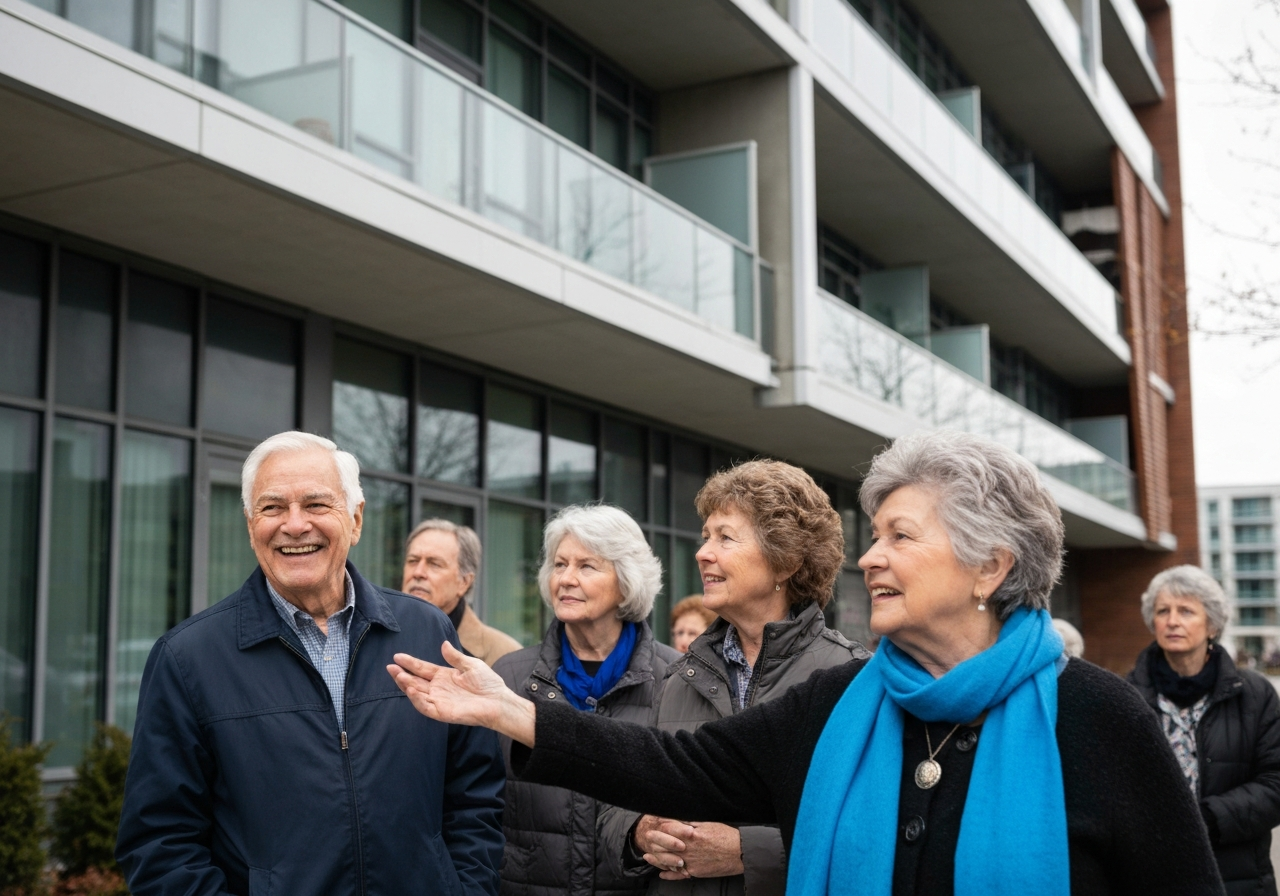
When you begin looking at options for your retirement, you will encounter many different living arrangements. A senior condo is a unique type of property designed specifically for older adults. These condominiums offer a blend of independence and community support.
Understanding what sets senior condos apart is a good idea as you explore your choices. They provide a different living experience than regular condos or single-family homes, with features tailored to a mature lifestyle.
What Makes a Senior Condo Different from Regular Condos
A senior condo is more than just a smaller place to live; it’s a community built for a specific stage of life. Unlike regular condominiums, these properties often have age restrictions, meaning you’ll be living among peers. This creates a unique social environment where neighbours share similar life experiences.
The amenities offered are also tailored to retirees. You’re more likely to find social rooms, craft areas, organized group outings, and fitness centers designed for mature adults. The focus is on convenience and community engagement, which can be different from the amenities in a standard condo building.
This targeted approach simplifies the buying process for your primary residence. You know the building is designed with your needs in mind, from the social structure to the physical layout, making it easier to find a community that fits your retirement goals.
Age Restrictions and Eligibility Criteria for Ottawa Senior Condos
When you look for senior condos, you will notice age requirements. Typically, these communities are designated as 50+ or 55+. It’s important to understand the specific bylaws of any building you consider, as these rules determine eligibility. One household member usually needs to meet the minimum age.
These age restrictions are legally permitted and are designed to create a community of peers. They ensure that the lifestyle and amenities remain focused on the needs of residents in their golden years of old age.
It’s also worth noting that provincial rules can change. For example, some jurisdictions are phasing out 50+ designations in favour of a standard 55+ rule for all adult-living buildings. Always check the current regulations and the specific condo corporation’s bylaws for the most accurate information on eligibility.
Why Seniors Choose Condo Living
Many seniors find that moving to a condo significantly improves their quality of life. One of the biggest attractions is the shift away from home maintenance. Tasks like mowing the lawn, shovelling snow, and exterior repairs are handled by the condo corporation, freeing up your time and energy.
Security is another major benefit. Condo buildings often have controlled entry and underground parking, providing peace of mind, especially for those who travel. This sense of safety can supplement the financial stability provided by Old Age Security and pensions.
Finally, the social aspect is a powerful draw. With shared common areas, organized activities, and neighbours in a similar life stage, it’s easier to build connections and avoid isolation. This built-in community helps you stay active and engaged.
Reasons to Consider Downsizing for Retirement
The decision to downsize for retirement is deeply personal and often comes after years of thought. For many, a large family home feels empty once the children have moved out, and the upkeep becomes a burden. Downsizing is a practical solution to simplify your life and finances.
Whether driven by a desire for a simpler lifestyle or financial necessity, this move can be a positive change. The selling price of your current home can unlock new opportunities and reduce the stress of maintaining a property that no longer fits your needs. As you explore this path, you’ll uncover financial, practical, and emotional benefits.
Financial Advantages of Downsizing
One of the most compelling reasons to downsize is the positive impact on your financial situation. Selling a larger home often allows you to tap into a significant amount of home equity. The value of your home, built up over many years, can be converted into cash to fund your retirement lifestyle.
This infusion of money can be used in many ways. You might purchase your new, smaller home outright and live mortgage-free. The remaining funds can be invested, used for travel, or simply kept as a financial cushion for unexpected expenses.
While you must account for the cost of selling, such as realtor commissions and legal fees, the net profit is often substantial. This financial freedom can reduce stress and provide security, allowing you to enjoy your retirement without worrying about a tight budget.
Simplifying Your Lifestyle and Daily Living
Are you tired of endless housework and yard maintenance? Downsizing to a smaller home, like a condo, immediately reduces the time you spend on cleaning and upkeep. With less space to manage, you gain more time for hobbies, family, and travel.
Condo living simplifies things even further. Your monthly condo fees typically cover exterior maintenance, snow removal, and landscaping. This means you no longer have to worry about these demanding and sometimes costly chores.
This shift allows for a more relaxed and convenient lifestyle. Imagine spending your weekends enjoying social activities instead of fixing a leaky roof or weeding the garden. This is one of the most common reasons people choose to move, and a benefit they often wish they had embraced sooner.
Emotional Readiness for a Move
Moving from a long-time family home is an emotional journey. Your house holds countless memories, and parting with it can be difficult. It is important to give yourself enough time to process these feelings and avoid making rushed decisions that lead to emotional regrets.
The process involves sorting through decades of sentimental items. Deciding what to keep, donate, or pass on to family can be overwhelming. Starting this process early allows you to handle these belongings with care and thought, rather than in a hurried panic.
Acknowledging the emotional side of downsizing is key to a positive experience. Allow yourself to feel nostalgic, but also focus on the exciting new chapter ahead. A well-planned, unhurried move helps ensure you feel good about your decision long after you’ve settled in.
Common Regrets Seniors Face When Choosing Condos

While downsizing is often a positive change, some people experience regret. These feelings usually stem from a lack of thorough planning or making a wrong choice based on incomplete information. Common mistakes can lead to dissatisfaction with your new home and lifestyle.
To avoid these pitfalls, it’s helpful to know what they are ahead of time. By understanding the most common regrets, you can be more intentional in your search and ensure your new condo truly meets your long-term expectations.
Overlooking Lifestyle Needs and Preferences
A frequent regret is choosing a condo that doesn’t align with your actual lifestyle needs. It’s easy to be impressed by a beautiful unit, but will it support your hobbies and daily routines? For instance, if you’re an avid gardener, a condo with only a small balcony might feel restrictive.
Having clarity about what’s important to you is crucial. Do you need a guest room for visiting family? Is a workshop or craft room a must-have? Make a list of your non-negotiables before you start your search.
Without careful planning, you might find yourself in a community that doesn’t fit. Taking the time to reflect on your day-to-day life and future aspirations will help you select a home where you can thrive, not just reside.
Underestimating the Importance of Community and Social Connections
Moving to a senior condo is not just about the physical space; it’s about joining a new retirement community. A common regret is failing to research the social atmosphere of a building. A quiet, reserved community might not be a good fit if you’re a social butterfly, and vice versa.
During your search, try to get a feel for the community. Visit at different times of the day, talk to current residents, and ask about social events. Is it a good time to make new friends, or does everyone keep to themselves? These social connections are vital for your happiness.
Your new neighbours will be a big part of your life. Ensuring the community’s culture aligns with your personality is just as important as liking the layout of your condo.
Failing to Plan for Future Health or Accessibility Needs
A mistake that can lead to major regrets is not thinking about the long term. A condo might seem perfect today, but will it still work for you in 10 or 15 years? As we age, mobility and health issues can arise, and your home should be able to adapt.
Look for features that support aging in place. This includes things like elevators, walk-in showers, wide doorways, and single-level living. Choosing a condo without these accessibility features could force another move down the line if your health changes.
Careful planning for your future self is essential. Thinking about potential needs now saves you from the stress and expense of having to find a more suitable home later. It’s about making a choice that provides comfort and security for years to come.
Essential Tips to Help With Downsizing
The downsizing process can feel like a monumental task, but breaking it down into smaller steps makes it manageable. It involves sorting through a lifetime of belongings and making tough decisions about what to keep. Don’t be afraid to ask for the help of friends and family.
With a clear plan, you can simplify the process and reduce stress. These essential tips to help with downsizing will guide you through decluttering and organizing for a smooth transition to your new home.
How to Decide What to Keep, Donate, or Sell
Sorting through your belongings is often the most challenging part for downsizers. A practical approach is to go room by room, creating distinct piles for items you will keep, sell, donate, or discard. This prevents you from feeling overwhelmed by tackling the whole house at once.
Be realistic about the space in your new home. Measure large furniture to ensure it will fit. For sentimental items that you can’t take, consider taking photos or passing them on to family members who will cherish them.
When making decisions, ask yourself these questions:
- Have I used this in the last year?
- Does it have a true purpose in my new, smaller space?
- Do I have multiples of the same item?
- Is the sentimental value strong enough to justify the space it will take?
Organizing Belongings for a Smooth Transition
Once you’ve decided what to take, organizing these items is key for a stress-free move. Proper organization now will save you a lot of time and frustration when you’re unpacking in your new home. Give yourself enough time to do this without rushing.
A labelling system is your best friend during the downsizing process. Clearly mark each box with its contents and the room it belongs in. This simple step makes it easy for you or your movers to place boxes in the correct location.
To ensure a smooth move, follow these organizing steps:
- Create an inventory list of items in each box.
- Pack a “first night” box with essentials like toiletries, medications, and a change of clothes.
- Use colored tape or markers to colour-code boxes by room.
- Keep important documents, like passports and financial papers, in a separate, clearly marked box that you transport personally.
Helpful Resources and Professional Support
You don’t have to handle the downsizing process alone. There is a great deal of professional support available to help you at every stage. From real estate agents to professional organizers, getting expert help can make the entire experience smoother.
A good realtor, for example, can guide you through both selling your current home and buying your new one. They understand the market and can help you navigate the financial and legal complexities.
Consider hiring these professionals for support:
- A professional organizer or downsizing specialist to help you declutter and sort.
- A trusted realtor with experience in senior relocations.
- A home inspector to assess the condition of the condo you plan to buy.
- Reputable movers to handle the physical transportation of your belongings.
What to Look for in a Senior Condo

When you begin touring potential new homes, it’s important to know what to look for. Beyond the price and location, the right senior condo should have features that enhance your comfort, safety, and enjoyment. Pay close attention to the available amenities and accessibility.
From the social spaces to the safety features within the unit, every detail matters. This is about finding a home that supports your lifestyle now and well into the future. Let’s look at the key elements to evaluate.
Key Amenities for Retirees in Ottawa Condos
The right amenities can greatly enhance your retirement lifestyle. When you’re exploring what-amenities-should-retirees-look-for-in-ottawa-condos, think about how you want to spend your time. Many senior condos offer a variety of common areas designed for recreation and socializing.
These shared spaces are an extension of your home. A well-equipped fitness center can help you stay active, while a party room or lounge provides a great space for hosting larger family gatherings. Some buildings even offer luxuries like swimming pools or guest suites.
Look for these key amenities:
- Social rooms, craft rooms, or a library
- A fitness center or swimming pool
- Guest suites for visitors
- Outdoor spaces like a shared patio, garden, or rooftop terrace
- Secure, heated underground parking
Safety, Accessibility, and Maintenance Features
Your new home should be a place of comfort and security. When evaluating a condo, prioritize safety and accessibility. Look for buildings with secure entrances, well-lit hallways and parking areas, and emergency call systems in common areas or individual units.
Accessibility is crucial for long-term living. Are there elevators? Can you enter the building and your unit without navigating stairs? Features like walk-in showers, grab bars in bathrooms, and wider doorways can make a huge difference as you age. Good maintenance is also a sign of a well-run building.
Before you buy, it’s wise to hire a home inspector. They can identify any potential issues with the unit’s plumbing, electrical systems, and overall condition, ensuring you don’t face unexpected repair costs after you move in.
Understanding Restrictions for Buying a Senior Condo in Ottawa
Living in a condo means being part of a community governed by a set of rules, or bylaws. Before purchasing, it’s essential to review these documents to understand any restrictions. These rules are designed to ensure peaceful and orderly living for all residents, but may impact your lifestyle.
Common restrictions may include pets, smoking, noise levels, and the type of window coverings allowed. Understanding the restrictions for buying a senior condo in Ottawa will prevent surprises and ensure the community is a good fit for you. You should also be aware of the rules regarding renovations or upgrades to your unit.
Beyond the bylaws, consider financial obligations like property taxes and special assessments. This table outlines some common areas of regulation:
| Restriction Area | What to Look For |
|---|---|
| Age Requirements | Minimum age for residents (e.g., 55+) and rules for underage visitors. |
| Pet Policies | Restrictions on the number, size, or breed of pets allowed. |
| Noise & Nuisance | Rules regarding quiet hours and general conduct. |
| Renovations | The process for getting approval for changes inside your unit. |
| Use of Amenities | Hours of operation and rules for using common areas like pools or gyms. |
Beginner’s Guide: How to Choose the Right Senior Condo Without Regrets
Now that you know what to look for, how do you put it all together to find the perfect option? Making an informed decision comes down to having a clear, step-by-step process. With careful planning, you can navigate the journey with confidence.
This beginner’s guide will provide a straightforward roadmap to follow. From setting your budget to signing the final papers, these steps will help you choose a senior condo that you will be happy with for many years.
What You Need to Get Started (Budget, Checklist, Local Listings)
The first step is to get organized. Before you start seriously looking at properties, it’s essential to have a clear picture of your finances and priorities. Start by creating a detailed budget that outlines what you can comfortably afford.
Next, create a checklist of your needs and wants. Separating the “must-haves” from the “nice-to-haves” will help you evaluate properties realistically. This list will be your guide as you browse local listings and tour condos.
To get started, you will need:
- A clear budget including the purchase price and monthly fees.
- A pre-approval for a mortgage, if needed.
- Your checklist of essential features and amenities.
- A list of preferred neighbourhoods or locations.
- Access to online local listings to see what’s available.
Step-by-Step Guide to Finding the Perfect Senior Condo
Finding the right condo is a journey, and this step-by-step guide will simplify the buying process. Following a structured approach ensures you cover all your bases and make an informed decision, leaving no room for future regrets.
This roadmap breaks down the search into manageable actions. By using a checklist and proceeding logically, you can move from initial research to move-in day with confidence and clarity.
Here are the key steps we will cover:
- Step 1: Assess your current and future needs.
- Step 2: Research available properties in Ottawa.
- Step 3: Tour condos and evaluate amenities.
- Step 4: Analyze all financial costs.
- Step 5: Consult with professionals and make your final choice.
Step 1: Assess Your Current and Future Needs
Before you look at any properties, start with a personal assessment. Think about your current home and what works and what doesn’t. How much space do you truly need? Consider the number of bedrooms you require for yourself, guests, or hobbies.
Next, think honestly about the future. While you may be in perfect health today, it’s wise to plan for potential health issues. Will you need a home with no stairs? Is proximity to medical facilities important? Considering these factors now will ensure your new home remains suitable for the long term.
This evaluation will help you create a practical list of requirements. Knowing what you need in terms of space, accessibility, and location will make your search much more focused and efficient.
Step 2: Research Senior Condos for Sale in Ottawa
With your needs defined, it’s time to see what’s on the market. Begin by exploring local listings for senior condos for sale in Ottawa. Online portals are a great resource to get a sense of prices, sizes, and available amenities in different buildings.
Don’t limit your research to just the condo listing. Investigate the neighbourhoods. How many miles are you from family, friends, your doctor, and your favourite grocery store? Visit the areas at different times of day to get a feel for traffic and the overall atmosphere.
Compile a short list of promising properties. Look at photos and virtual tours, but remember that they don’t tell the whole story. The goal of this step is to identify a handful of condos that seem like a great fit on paper and are worth visiting in person.
Step 3: Tour Properties and Review Amenities
This is where your search gets exciting. Schedule tours for the properties on your short list. When you visit, pay attention to the condition of the building’s common areas, as this reflects the level of management. Talk to residents if you can; they often provide the most honest feedback.
Carefully review the amenities. Do the fitness center, social rooms, and other shared spaces meet your expectations? Consider the practical aspects of the location as well. Is there convenient access to public transportation? What is your experience with parking for you and your guests?
It is also a good idea to bring a home inspector with you for a second visit to a property you are serious about. They can provide an expert opinion on the unit’s condition and help you avoid any costly surprises.
Step 4: Evaluate Financial Considerations and Costs
A beautiful condo is only the right choice if it fits your budget. Look beyond the purchase price and evaluate all associated costs. The monthly condo fees are a significant recurring expense, so find out exactly what they cover and if there are any planned increases.
You’ll also need to budget for property taxes, utilities not included in the fees, and insurance. If you are selling a home, consider any potential capital gains tax. If you need a new mortgage, factor those payments into your monthly budget. Don’t forget to set aside funds for one-time expenses like legal fees and moving costs.
A thorough financial evaluation prevents the regret of being “house poor” in retirement. Make sure the total cost of ownership allows you to live comfortably and enjoy the lifestyle you’ve worked hard for.
Step 5: Consult Real Estate Agents and Make an Informed Decision
Once you’ve found a condo that meets your needs and budget, it’s time to bring in the professionals. A qualified realtor is your most valuable ally in this final stage. They will help you draft an offer, negotiate with the seller, and navigate the complex paperwork.
Your realtor can also connect you with other key professionals, such as a real estate lawyer to review the condo documents and a lender to finalize your financing. Their guidance ensures that all legal and financial aspects are handled correctly before closing.
With all the information gathered and expert advice considered, you can make your final choice. This informed decision will be one you feel confident and excited about, paving the way for a happy and regret-free retirement in your new home.
Working With Real Estate Professionals in Ottawa
Navigating the real estate market, especially when downsizing, can be complex. Working with a professional realtor simplifies the process of buying and selling. Their expertise is invaluable in helping you find the right property and negotiate the best terms.
An experienced agent does more than just show you homes. They act as your guide and advocate, ensuring you make an informed decision every step of the way. Let’s explore how their experience adds value and what they can do for you.
The Value of Experience in Senior Condo Purchases
When it comes to buying a senior condo, experience in a realtor is not just a bonus—it’s essential. An agent who specializes in the senior market understands the unique challenges and opportunities involved. They are familiar with the various age-restricted buildings in Ottawa and their specific rules.
This experience is crucial during the buying process. Your realtor can help you decipher complex condo documents, spot potential red flags in a building’s financial health, and ask the right questions about amenities and management.
They act as your trusted advisor, ensuring your interests are protected. Choosing a realtor with a proven track record in senior condo purchases provides peace of mind and helps you avoid common pitfalls.
How a Realtor Can Guide You Through the Process
A dedicated realtor is your partner throughout the entire downsizing process. From the initial planning stages to the day you get your new keys, they provide support and expert guidance. Their goal is to make the transition as smooth and stress-free as possible.
They help with both the selling and buying aspects of your move. For your current home, they’ll help determine its market value and create a strategy to sell it effectively. For your new condo, they’ll help you find properties that match your checklist and budget.
A realtor will:
- Help you clarify your needs and create a realistic checklist.
- Coordinate property viewings and provide insights on each location.
- Negotiate offers and counteroffers on your behalf.
- Guide you through the legal and financial paperwork for closing.
- Connect you with other trusted professionals, like lawyers and movers.
When it comes to Real Estate agents, experience matters. If you are considering purchasing homes for sale in Ottawa, Ontario, you will want to use the services of a professional real estate agent. The Houses for Sale Ottawa team of realtors is a member of the Canadian Real Estate Association. Our agents are committed to providing exceptional service to their clients. They know homes for sale in Ottawa and will nurture you through your unique real estate buying or selling experience. Contact our real estate professional, Sandi Branker, at (613) 408-7935.
Conclusion
In conclusion, choosing the right senior condo involves understanding not only your immediate needs but also planning for future requirements. By carefully evaluating potential properties, considering lifestyle preferences, and utilizing professional guidance, you can avoid common regrets that often accompany such significant decisions. Embrace a proactive approach by exploring amenities, financial implications, and community aspects to ensure a smoother transition into your new home. With the right preparation, you can enjoy your retirement years in the comfort and security that a well-chosen senior condo can provide.
Frequently Asked Questions
How do I know if a senior condo fits my lifestyle and future needs?
To ensure a condo fits your needs, assess its amenities, social environment, and accessibility. Your primary residence should support your hobbies and daily life. Making an informed decision based on both current desires and future health considerations is key to ensuring a high quality of life in your new home.
What are the most important amenities to look for as a retiree?
Important amenities for retirees often include social spaces like a clubhouse or party room, fitness centers, and accessible outdoor common areas. Look for practical features like elevators, secure parking, and guest suites. Any upgrades that enhance safety and accessibility are also valuable to consider.
Are there restrictions for buying a senior condo in Ottawa?
Yes, there are restrictions. Most senior condos have age restrictions, and all have bylaws that govern aspects such as pets, renovations, and noise. It is crucial to review these documents during the buying process to ensure your lifestyle is compatible with the community’s rules and to confirm your eligibility.
What financial factors should I consider before making a purchase?
Before buying, evaluate the total cost. This includes the purchase price, recurring condo fees, and property taxes. Additionally, budget for one-time expenses, such as legal fees. Consider how the selling price of your current home and your remaining home equity will impact your overall financial picture.
Condos for Sale
Condos for Sale Ottawa Under $300.000 | Condos for sale in Orleans Ottawa | Condos for Sale in Ottawa Centretown | Condos for sale Riverside South | Condo for sale Barrhaven Ottawa | Petrie Island Condos for Sale | Findlay Creek Condos for Sale | Condos for sale Nepean | Condos for sale kanata | Houses for Sale Ottawa West | Ottawa condos for sale | 1 Bedroom Condo for Sale Ottawa | 2 Bedroom Condo for Sale Ottawa | 3 Bedroom Condo for Sale Ottawa | Condos for sale Ottawa Westboro |
