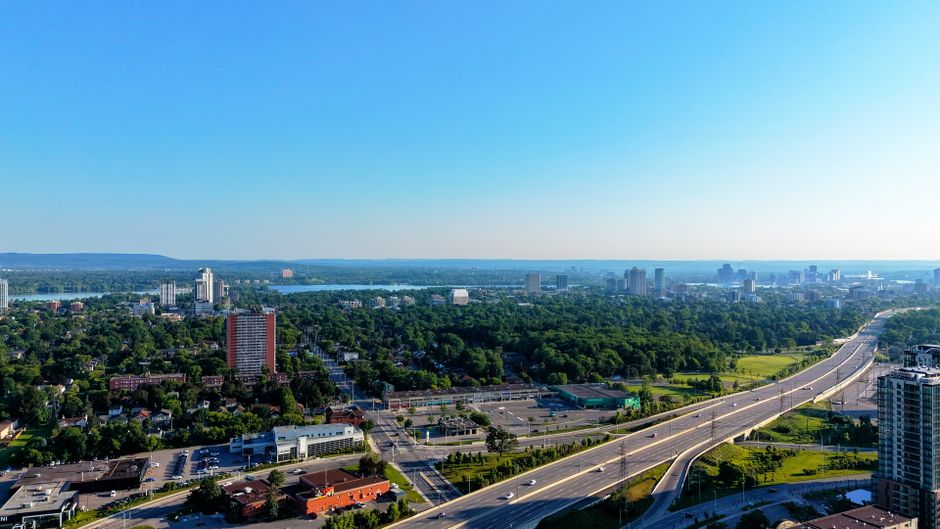
Selling Your Home in Ottawa: Tips for a 2026 Market
If you are planning to sell a home in Ottawa in 2026, the first thing to know is that this market rewards preparation. Sales activity has slowed compared to last year, prices have edged lower on average, and buyers have more inventory to choose from. That does not mean your home cannot sell quickly or for a strong price. It does mean that strategy matters more than it did in the hot markets of recent years. Understanding the numbers can help you set realistic expectations and position your property to stand out.
How the Ottawa Housing Market Looked in Early 2026
The official data from the Ottawa Real Estate Board (OREB) gives a clear picture of where the market stood in May 2026. A total of 1,616 homes changed hands that month, which was 10.6 percent fewer sales than the same month in 2025. The average sale price across all property types was $721,270, down roughly one percent year over year. The median price, which gives a better sense of the typical sale, was $660,000 and had fallen 1.6 percent compared to May 2025.
These numbers may sound modest, but they mask important differences between property types and neighbourhoods. New listings in May 2026 totaled 3,351, pushing the number of active listings at month end to 4,917. That level of supply gave the market 3.0 months of inventory, a figure that is generally considered balanced but sits on the boundary of favouring buyers. For context, a market with fewer than four months of inventory is normally described as a sellers market, while more than six months points to a buyers market. Ottawa was squarely in balanced territory, but leaning slightly toward buyers.
Key Price Trends by Property Type
One of the most useful ways to understand the Ottawa market in 2026 is to look at how different types of homes are performing. Price changes were not uniform across the board, and some segments fared much better than others.
Single-Family Homes
Detached and single-family homes have been the most resilient segment. The average price for a single-family home in May 2026 was $868,968, down just 0.2 percent from the previous year. The median price held even stronger at $800,000, which was actually up 1.3 percent year over year. That suggests that while the very top of the market may have softened slightly, the middle of the single-family market is still holding its ground. Months of inventory for single-family homes sat at just 2.7, which is the definition of a sellers market.
Townhouses
Townhouses saw a modest decline. The average price in May 2026 was $563,578, down 1.0 percent from May 2025. Like single-family homes, townhouses had a months-of-inventory reading of 2.7, indicating that well-priced units in this category should still attract multiple offers in many areas.
Apartments and Condos
The apartment segment experienced the steepest price correction. The average price fell to $433,165, a drop of 12.0 percent year over year. Months of inventory for apartments reached 4.8, which suggests a clear buyers market for condos, especially in newer buildings. Sellers of apartments need to be especially realistic about pricing and may need to allow for a longer marketing period.

Neighbourhood-Level Trends
Ottawa is not one market. It is a collection of submarkets, and the data from May 2026 shows that location matters more than ever.
Ottawa Centre
Sales in Ottawa Centre were up 13.5 percent year over year in May 2026, a notable bright spot. Prices in the core also rose compared to the previous year. Buyers appear to be returning to central neighbourhoods, and sellers in areas like Centretown, the Glebe, and Sandy Hill may find more competition for their properties than sellers in other parts of the city.
Suburban West
The Suburban West region, which includes neighbourhoods such as Barrhaven, Kanata, and Stittsville, recorded the highest total sales volume in May 2026. That area also had the lowest months of inventory, meaning homes are turning over faster there than anywhere else in the city. However, prices in the Suburban West were down year over year despite the high sales activity. That mix of strong volume and lower prices suggests that buyers in this corridor are active but price sensitive.
Understanding Market Balance
Two measures help explain how balanced the Ottawa market is right now. The sales-to-new-listings ratio (SNLR) in May 2026 was 48.2 percent. When the SNLR is above 60 percent, the market generally favours sellers. Below 40 percent, it favours buyers. At 48.2 percent, Ottawa is in balanced territory but tilted slightly toward buyers, meaning that sellers cannot assume they will get multiple offers or a price above asking without careful positioning.
The months of inventory figure of 3.0 supports this picture. A balanced market typically has between three and six months of inventory. Ottawa is right at the lower end of that range, which is why some accurately priced homes in desirable neighbourhoods are still selling in under two weeks. But the overall conditions require sellers to be more deliberate than they were in the 2021-2022 frenzy.
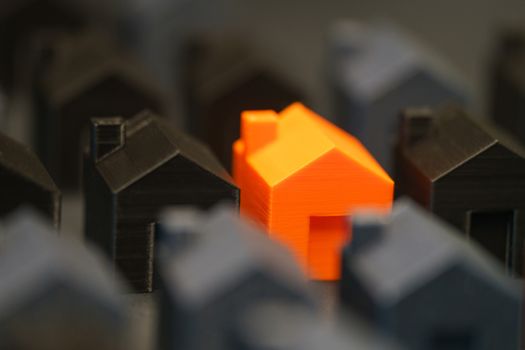
Pricing Strategy Matters More Than Ever
In a balanced market, pricing is the single most important factor in determining how quickly your home sells and for how much. Overpricing in this environment can lead to weeks or months of price reductions, which often stigmatize a listing and drive buyers away.
What Happens When You Overprice
When a home is listed above market value, it tends to sit. Other homes in the same price range that are priced accurately will sell first. After two or three weeks of no offers and few showings, the seller is forced to reduce the price. By that point, buyers often wonder what is wrong with the property, and the eventual sale price may end up lower than if the home had been priced correctly from day one.
Why Accurate Pricing Wins
In high-demand suburban neighbourhoods such as Barrhaven, Kanata, and Orleans, homes that are priced accurately can still sell in under two weeks. Barrhaven detached homes in the $700,000 to $900,000 range typically find a buyer within three to four weeks when the list price aligns with current market data. That is a realistic timeline for a balanced market.
Working with a local REALTOR who knows your neighbourhoods current comparables is the best way to set a price that attracts serious buyers without leaving money on the table.
Preparing Your Home for Sale
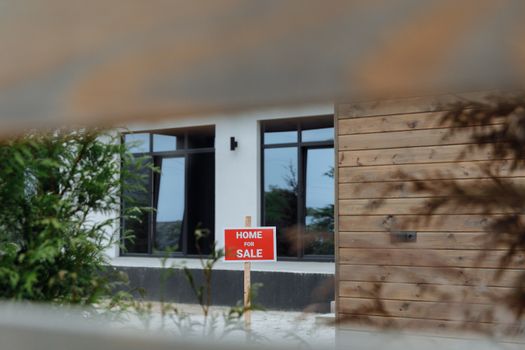
When buyers have more choices, presentation matters. Homes that show well tend to sell faster and for prices closer to asking. Simple steps can make a real difference in a balanced market.
Start by decluttering and depersonalizing each room. Buyers need to imagine themselves living in the space, and personal photographs, bold paint colours, and overcrowded furniture make that harder. A fresh coat of neutral paint, professional carpet cleaning, and tidy landscaping are low-cost improvements that often yield a strong return.
Consider having a pre-listing home inspection done. This allows you to identify and fix any issues before a buyers inspector finds them. It also signals to buyers that you have taken good care of the property, which can build trust and reduce negotiation friction later.
Professional photography is no longer optional for most listings. High-quality images and, in some cases, a virtual tour or video walkthrough can help your listing stand out in a market where buyers are scrolling through dozens of properties online before deciding which ones to visit in person.
Finally, make sure your agent is using a strong marketing plan that includes exposure on major real estate platforms and social media. In a balanced market, visibility is what gets buyers through the door.
Frequently Asked Questions
Is now a good time to sell a house in Ottawa?
It depends on your personal situation and the type of home you own. The market in early 2026 is balanced, which means you can sell successfully if you price your home accurately and present it well. Single-family homes in central and suburban areas are still attracting buyers, while apartments may require more patience and a realistic price.
How long does it take to sell a home in Ottawa right now?
Timelines vary by neighbourhood and price point. In high-demand areas like Barrhaven, Kanata, and Orleans, accurately priced homes can sell in under two weeks. Barrhaven detached homes in the $700,000 to $900,000 range typically sell within three to four weeks. Apartments and condos may take longer because inventory is higher in that segment.
Which property type is selling best in Ottawa?
Single-family homes are performing best. The median price for a single-family home in May 2026 was $800,000, up 1.3 percent year over year, and months of inventory sat at just 2.7, indicating a sellers market for that category. Apartments have seen the largest price decline and the highest inventory levels, making that segment more challenging for sellers.
Should I wait to sell my Ottawa home until prices go up?
There is no reliable forecast in the available data that predicts when or if prices will rise in the near term. The official numbers show average prices were roughly one percent lower in May 2026 than a year earlier. If you need to sell for personal or financial reasons, waiting is a gamble. A well-priced home in a desirable neighbourhood can still achieve a strong result in this market.
