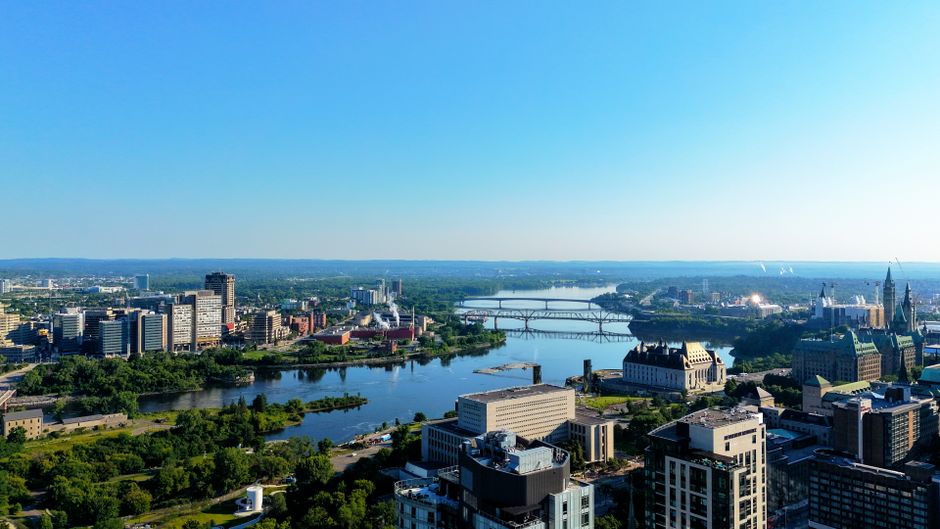
Step-by-Step Guide to Buying a House in Ottawa in 2026
Step-by-Step Guide to Buying a House in Ottawa
Welcome to this comprehensive Step-by-Step Guide to Buying a House in Ottawa, designed to empower you with the right tools and insights.
Ottawa’s real estate market in 2026 offers a balanced playing field for buyers and sellers alike, with home prices remaining relatively flat compared to a year ago. For anyone considering buying a house in Ottawa in 2026, understanding the current conditions and preparing properly can make the difference between a smooth purchase and a stressful one. Here is a practical step-by-step guide to help you navigate the Ottawa housing market this year.
Having a practical Step-by-Step Guide to Buying a House in Ottawa can make your experience seamless and informed.
This Step-by-Step Guide to Buying a House in Ottawa will ensure you make well-informed decisions during your home buying journey.
Step 1: Understand the Current Ottawa Market
Your Ultimate Step-by-Step Guide to Buying a House in Ottawa
Our Step-by-Step Guide to Buying a House in Ottawa will serve as your roadmap throughout the process.
Before you start house hunting, it pays to know what is happening with prices and supply. In May 2026, the average selling price of a home in Ottawa was $635,300, a decrease of 0.6% year-over-year. The Ottawa Real Estate Board records a slightly different figure for the average residential sale price: $721,270 in May 2026, up from $712,184 in April but still 0.9% below May 2025. The difference comes down to how each source defines “home” versus “residential sale,” so checking both sets of numbers gives you a fuller picture.
Prices vary by property type. The average selling price of a single-family home increased by 0.3% year-over-year to $723,800. Townhouses and multiplexes averaged $557,500, down 3.2% year-over-year, while condos averaged $385,500, a drop of 6.7%. That means condos and townhouses offer more room for negotiation in 2026. Sales volume reached 1,616 homes in May 2026, up 21% month-over-month but down 10.6% from a year ago. New listings totalled 3,351, down 2.3% year-over-year. The sales-to-new-listings ratio sits at 48%, signalling a balanced market where neither buyer nor seller holds a clear advantage.
Step 2: Assess Your Finances and Get Pre-Approved
Knowing how much you can afford is the foundation of any home purchase. The minimum annual income needed to buy an average-priced Ottawa home in 2026 is $144,254. For a single-family home, that figure rises to $173,794; for a townhouse it is $112,716; and for a condo it is $86,633. The minimum down payment for an average home is $47,127. Keep in mind that closing costs typically range from 3% to 4% of the purchase price, so budget accordingly.
First-time buyers in Ottawa have access to several federal and provincial programs. The First Home Savings Account (FHSA) allows you to contribute up to $8,000 per year, with a lifetime maximum of $40,000. Contributions are tax-deductible, and withdrawals for a home purchase are tax-free. The Home Buyers’ Plan (HBP) lets you withdraw up to $60,000 from your RRSP tax-free toward a first home, and up to $120,000 per couple. The money must be repaid within 15 years. Ontario also offers a land transfer tax refund to first-time buyers of up to $4,000, making the first $368,000 of a home’s purchase price free of land transfer tax.
As of July 8, 2026, the lowest 5-year fixed mortgage rate available in Ottawa is 4.04%. Getting pre-approved at today’s rate locks in that rate for a set period and gives you a clear budget when you start making offers.
Step 3: Explore Neighbourhoods That Fit Your Budget
Consider this Step-by-Step Guide to Buying a House in Ottawa your essential companion in the real estate journey.
Once your finances are clear, focus on areas where your money goes furthest. For first-time buyers looking at condos, the best value neighbourhoods include Centretown, Byward Market, and the Baseline/Algonquin area. Condo prices in these pockets generally fall between $350,000 and $450,000. If you prefer a townhome, look at Kanata, Orleans, Stittsville, and Barrhaven, where townhome prices range from $500,000 to $650,000. These communities offer good schools, amenities, and transit connections.
If Ottawa prices still feel steep, consider crossing the river into Gatineau, Quebec. Real estate in Gatineau is often more affordable than comparable Ottawa properties, though you will want to factor in differences in provincial taxes, school systems, and commuting time.
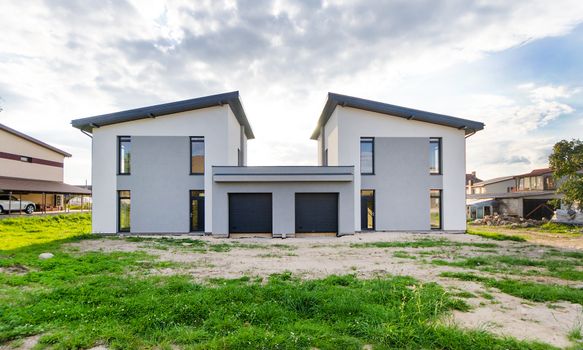
Step 4: Make a Competitive Offer in a Balanced Market
With the SNLR at 48%, Ottawa is a balanced market for detached houses. That means buyers and sellers have roughly equal negotiating power. A common mistake Ottawa buyers make in 2026 is hesitating out of a desire to time the market perfectly. Waiting for prices to drop further is risky when inventory and demand are balanced. Instead, come prepared with a pre-approval letter and a clear understanding of recent sale prices in your target neighbourhood.
Understanding the nuances of your market with a Step-by-Step Guide to Buying a House in Ottawa is crucial for success.
Your real estate professional can help you structure an offer that is competitive without overpaying. Focus on the comparable sales of similar properties sold in the past 30 to 60 days. If you are buying a single-family home, remember that prices edged up 0.3% year-over-year, so there is still upward pressure on detached homes. For townhouses and condos, where prices have slipped, you may have more leverage to negotiate on price or request inclusions.
Step 5: Plan for Closing and Moving In
Utilizing this Step-by-Step Guide to Buying a House in Ottawa can streamline your closing process.
After your offer is accepted, the closing process begins. Your closing costs, which include land transfer tax (adjusted for the first-time buyer rebate if you qualify), legal fees, title insurance, and property inspections, will come to roughly 3% to 4% of the purchase price. For an average-priced home of $635,300, that means setting aside between $19,000 and $25,400 in cash beyond the down payment.
Work with a local real estate lawyer or notary to handle the transfer of title and registration. Schedule a home inspection before you waive conditions, especially if you are buying an older property in Centretown or Byward Market. Finally, arrange for your mortgage lender to complete the funding in time for the closing date. Once the keys are in your hand, you can start planning the move.
Frequently Asked Questions
Refer back to this Step-by-Step Guide to Buying a House in Ottawa for answers to common queries.
What is the average price of a house in Ottawa in 2026?
The average selling price of a home in Ottawa was $635,300 in May 2026, down 0.6% year-over-year. The average residential sale price recorded by the Ottawa Real Estate Board was $721,270 for the same month. Keep in mind that condos average $385,500 and townhouses average $557,500, so the type of property greatly affects the price.
How much do I need for a down payment in Ottawa?
The minimum down payment for an average-priced Ottawa home is $47,127. This amount varies depending on the purchase price. If you are a first-time buyer, you may also use funds from a First Home Savings Account (FHSA) or the Home Buyers’ Plan (HBP) to help cover your down payment without tax penalties.
What neighbourhoods are best for first-time buyers in Ottawa?
First-time buyers find strong value in condos located in Centretown, Byward Market, and the Baseline/Algonquin area, where prices typically range from $350,000 to $450,000. For townhomes, Kanata, Orleans, Stittsville, and Barrhaven offer properties between $500,000 and $650,000. Gatineau, Quebec is also a more affordable alternative worth considering.
What are closing costs in Ottawa?
Closing costs generally amount to 3% to 4% of the home’s purchase price. That includes land transfer tax, legal fees, title insurance, and inspection costs. First-time buyers in Ontario can receive a land transfer tax refund of up to $4,000, which reduces the upfront cash required at closing.
Is it a good time to buy a house in Ottawa in 2026?
The Ottawa market is balanced in 2026, meaning buyers and sellers have equal negotiating power. Home prices are relatively flat year-over-year, and the average rent of $2,140 in May 2026 may make buying more attractive than renting in some situations. This market conditions suggest buyers can find fair deals without the intense competition of previous years, as long as they avoid the common mistake of hesitation.
This Step-by-Step Guide to Buying a House in Ottawa emphasizes the importance of being proactive.
