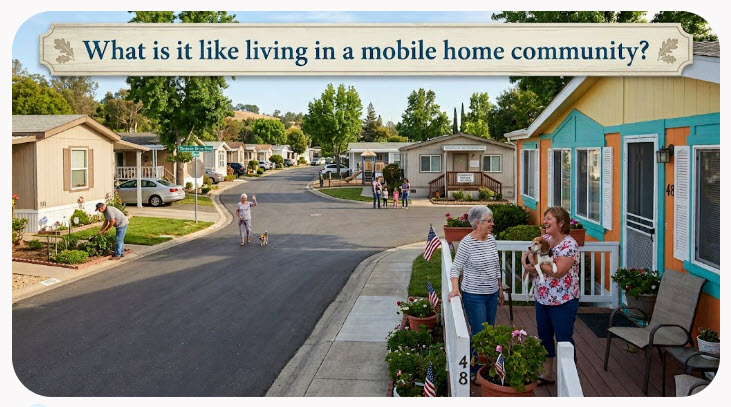
Living in a Mobile Home Community
Follow social media insights about Living in a Mobile Home Community.
Canadian Real Estate Association (CREA) | Ottawa Real Estate Board (OREB) | Ontario Real Estate Association | Realtor.ca |
The Complete Guide to Living in a Mobile Home Community in Ontario: Costs, Rules, Lifestyle, and What to Know Before You Buy
You might be wondering: Living in a Mobile Home Community: What to Expect? Ask ten people what it is like living in a mobile home community, and you will get ten different answers. The term covers a lot of ground, from a small, tidy park on the edge of an Ontario town to a private rural lot where one home sits on land the owner also owns. What stays fairly consistent is the trade-off at the heart of the lifestyle: a lower cost of entry and a simpler daily routine, balanced against land rent, modest resale values, and nearby neighbours.
Living in a Mobile Home Community offers unique benefits that many find appealing.
Legal Framework and Regulations
In Ontario, mobile home communities are controlled by specific provisions in the Residential Tenancies Act. This legislation protects residents’ rights, outlines park management responsibilities, and sets rules for rent increases, community rules, and dispute resolution. It also requires landlords to provide written park rules and advance notice of any changes. Reviewing these legal details is necessary for anyone considering a mobile home community, as the legal structure can affect everything from your rights as a resident to the resale value of your home.
The Day-to-Day Reality of Living in a Mobile Home Community
For those considering Living in a Mobile Home Community, it’s essential to understand the lifestyle fully. Daily life in a mobile home community may feel surprisingly familiar—wake up, make coffee, go to work, walk the dog, and return home just as you would anywhere else. The difference is in the environment: you may have neighbours close by, shared roads, and common amenities such as clubhouses or recreational facilities. Some communities are quiet and residential, while others have organized activities and a strong social calendar. The atmosphere can vary widely, so it’s wise to visit the community at different times of day to get a true sense of the lifestyle.
Zolo real estate Ottawa Agent Sandi Branker
 Working with a knowledgeable local agent can make your home search easier and more successful. Sandi Branker is a trusted REALTOR® who helps buyers and sellers across Ottawa and nearby neighbourhoods navigate the local market with confidence.
Who Tends to Choose a Mobile Home Community
Many people choose Living in a Mobile Home Community due to its affordability and community feel.
The reasons people end up in a mobile home community are practical more than romantic. Common themes in owner accounts include:
- A lower barrier to ownership compared with a comparable house
- Living in a Mobile Home Community allows for a quicker timeline to homeownership.
- A shorter timeline from deciding to buy to actually moving in
- One-level living that suits downsizing or aging in place
- Less interest in square footage, yard work, or renovations
- A preference for a smaller, calmer living space over a larger one
Several people who have shared their experiences online mention moving without children in the picture, or after leaving a farm or larger property, and describe it as an important but manageable change.
Community Rules, Shared Infrastructure, and Social Life
Understanding community rules is vital when considering Living in a Mobile Home Community. Most mobile home communities have rules covering everything from parking and pets to noise, landscaping, and exterior changes. These rules help maintain the neighbourhood’s appearance and set expectations between residents. Before moving in, request the full set of written rules and don’t rely on verbal summaries. If you have specific needs—such as multiple vehicles, a large dog, or plans for exterior renovations—check these in advance. Shared amenities are another feature. Many communities offer clubhouses, recreational facilities, or organized social activities. You might have access to shared roads, waste facilities, mailrooms, or other common spaces. The level of local community involvement and available amenities varies widely: some parks are quiet and private, while others are more social and active. For many, the feeling of belonging and regular, friendly interaction with neighbours is a highlight; for others, it may feel restrictive if they prefer total independence.
The Money Side: Lower Entry Price, Land Rent, and Resale
The financial aspects of Living in a Mobile Home Community can vary significantly. The financial appeal is usually what people notice first. The entry price for a mobile home is usually lower than for a comparable house, and the timeline from purchase to move-in is often short. That combination is why mobile homes come up in conversations about cheaper housing options. The catch, in most park settings, is that you rent the land the home sits on. That means you still pay a monthly cost after you have paid for the home itself. It also means your housing costs are partly tied to terms set by the park owner, not just your mortgage. In Ontario, rent increase guidelines generally apply to mobile home communities, but details can differ—so ask for current rent, what’s included, how increases are handled, and whether there are extra charges. The other common caution is resale. Mobile homes may lose value over time rather than appreciate the way a house on owned land often does. Anyone counting on equity growth should treat that assumption carefully and look at actual resale activity in the specific community they are considering. Improvements or renovations may require approval from the community, and not all upgrades will add value as they might in a freehold home.
Utilities, Maintenance, and Responsibilities
Utilities and maintenance are crucial factors when Living in a Mobile Home Community. Monthly costs typically include more than just land rent. You may be responsible for electricity, heating, water, sewer, waste collection, internet, insurance, and routine repairs. Some communities include certain services in the site fee, while others bill residents separately. Maintenance standards are set by law, but it’s important to clarify who handles which responsibilities—such as repairing a water line or maintaining common roads. Modern manufactured homes still require regular attention to plumbing, electrical systems, heating, roofing, and appliances. Exterior upkeep, seasonal chores (like clearing snow in winter), and yard maintenance are usually the owner’s responsibility, but may be lighter than with a large suburban property. Confirm all details with the community operator before you sign.
Transportation, Parking, and Access
Transportation options can greatly affect your experience when Living in a Mobile Home Community. Transportation can affect your day-to-day experience more than you might expect. Some communities are close to shopping, public transit, schools, and major roads—others are rural and require a car for every trip. Parking rules also vary: ask how many vehicles are permitted, if there’s guest parking, and what the rules are for trailers or RVs. Check the condition of community roads and how snow removal or emergency access is handled. These useful details can impact both your budget and your convenience once you move in.
Financing and Insurance Nuances
Financing options differ when considering Living in a Mobile Home Community. Financing a mobile home can differ from a traditional mortgage, especially if you don’t own the land. Not all lenders offer loans for homes on leased land. Speak with financiers who understand manufactured housing, and clarify insurance requirements—these can be different from freehold home policies. The structure of ownership (home only, or home plus land) will affect your eligibility for certain types of loans and insurance coverage. Recent initiatives from CMHC (Canada Mortgage and Housing Corporation) have improved some financing options for prefabricated and modular homes, but every situation is unique.
Space and Layout: Roomier Than You Might Expect
Space and layout are often surprising when Living in a Mobile Home Community.
One common surprise is how much room a mobile home can offer. These homes are frequently described as quite roomy, and many models are laid out on a single level with open living areas. If you picture a cramped trailer, the reality of a modern manufactured home in a well-kept community is often very different. Size and finish levels vary, so check square footage for each home rather than assume it.
Safety, Security, and Emergency Handling
Safety and security are paramount in discussions about Living in a Mobile Home Community.
Safety is a common concern, and experiences range widely between communities. Look beyond appearances: look for good lighting, properly maintained roads, and clear emergency procedures. Ask about how maintenance requests are handled and who to contact in an emergency. Community security often depends as much on management responsiveness and resident communication as on location. The best way to understand safety is to visit at different times and speak to current residents.
The Trade-Offs Residents Talk About
Understanding the trade-offs is essential when Living in a Mobile Home Community.
When people are asked what the downsides are, a few themes repeat:
- The home may lose value rather than gain it
- Land rent is a continuing monthly cost in most parks
- Rent terms are set by the park owner and can be adjusted over time
- Close neighbours mean less privacy than a large lot offers
- Communities vary widely, so the experience depends heavily on the specific park
- Community rules may feel restrictive to some
- Maintenance and repair responsibilities may be different from expectations
None of these are deal breakers on their own. They simply need to be compared with the lower purchase price and the simpler lifestyle that draws most people in the first place.
Questions to Ask Before You Buy
Questions specific to Living in a Mobile Home Community can help guide your decision.
Because so much depends on the individual community, the research stage matters more here than in a typical house purchase. Bring a written list and ask park management and your municipality directly:
- What are the land lease terms, and how often can the rent be adjusted?
- What does the monthly site fee include?
- Can you move the home if you decide to leave, and what would that involve?
- What is the home’s expected lifespan, and what maintenance should you plan for?
- Which utilities and services are included, and which are billed separately?
- What rules or restrictions apply to the home and the lot?
- Can you live there year-round, and is there any seasonal limits?
- What have recent resales in this community actually sold for?
- Are there restrictions on renting the home to others?
- What happens if the community operator sells or changes management?
- Are there any special assessments, capital expenditures, or major projects planned?
- Who is responsible for supporting shared infrastructure?If anything in the agreement is unclear, seek professional advice before signing. In Ontario, mobile home parks and land-lease communities have specific legal provisions that are different from a typical house purchase.
How This Fits Into an Ottawa Valley Home Search
Considerations for Living in a Mobile Home Community can influence your overall home search.
For buyers in the Ottawa area working with a tighter budget, mobile home communities sit alongside condos, townhouses, and rural properties as options worth comparing. The appeal in this region is simple: a lower entry point, a shorter path to moving in, and a calmer lifestyle, all within reach of nearby towns. The trade-offs around land rent and resale apply here just as they do anywhere else, so it pays to run the numbers over a realistic holding period rather than focusing only on the purchase price. Current policy talks and new initiatives from CMHC highlight manufactured housing as a key part of cost-effective housing solutions in Canada. This trend is able to expand future options for buyers and improve financing choices as government bodies and organizations seek to increase affordable supply.
Frequently Asked Questions
Many frequently asked questions arise about Living in a Mobile Home Community.
Is living in a mobile home community cheaper than owning a house?
Is Living in a Mobile Home Community cheaper than owning a traditional house?
The purchase price is typically lower than for a comparable house, and the move-in timeline is often shorter. The ongoing picture is different, because most parks charge land rent on top of what you paid for the home. Add that rent to your other carrying costs before deciding whether the total is genuinely cheaper for your situation.
Do mobile homes go down in value?
Do homes lose value when Living in a Mobile Home Community?
Owners and agents often note that a mobile home may decrease in value over time rather than appreciate. This isn’t guaranteed either way, and it depends heavily on the community, the home’s condition, and local demand. Before buying, ask what similar homes in the same park have actually sold for recently.
Are mobile home communities quiet and safe?
Are Living in a Mobile Home Community quiet and safe compared to traditional neighborhoods?
Many residents describe them as quieter and more relaxing than a street of houses or a large apartment building, with a strong feeling of community. Other accounts, usually tied to specific locations, mention crime concerns. Experiences vary widely, so visit at different times and ask local police or the municipality about the particular community.
Can you live in a mobile home year-round in Ontario?
Can you live year-round when Living in a Mobile Home Community in Ontario?
Year-round living depends on the community and local rules, and research isn’t consistent enough to give a blanket answer. Confirm directly with park management and the relevant municipal office whether year-round occupancy is permitted at the specific property you are considering, and whether the home is built for Canadian winters.
Can you renovate a mobile home?
Can renovations be done when Living in a Mobile Home Community?
Yes, most mobile homes can be renovated, but substantial exterior modifications usually require community approval. Check which changes are permitted and consider whether upgrades will actually boost resale value in your market.
How should you approach buying a mobile home?
How should one approach buying when Living in a Mobile Home Community?
Treat the decision with the same seriousness as any real estate purchase. Review legal agreements and site rules, clarify responsibilities, consider your everyday needs, and consult professionals if you’re unsure about any terms.
Living in a Mobile Home Community can bring both joys and challenges.
Social Media
Social media discussions often highlight experiences of Living in a Mobile Home Community.
FaceBook | Blogger | YouTube | Instagram | Google Reviews |Better Business Bureau® |Pinterest | Yelp | Google my Business Page | Bing Place for Business page | LinkedIn |
Real Estate Affiliations
Real estate affiliations can also touch on Living in a Mobile Home Community.
Follow social media insights about Living in a Mobile Home Community.
Canadian Real Estate Association (CREA) | Ottawa Real Estate Board (OREB) | Ontario Real Estate Association | Realtor.ca |
